Blog

By Greg Kling, 8:00 am on May 19, 2026

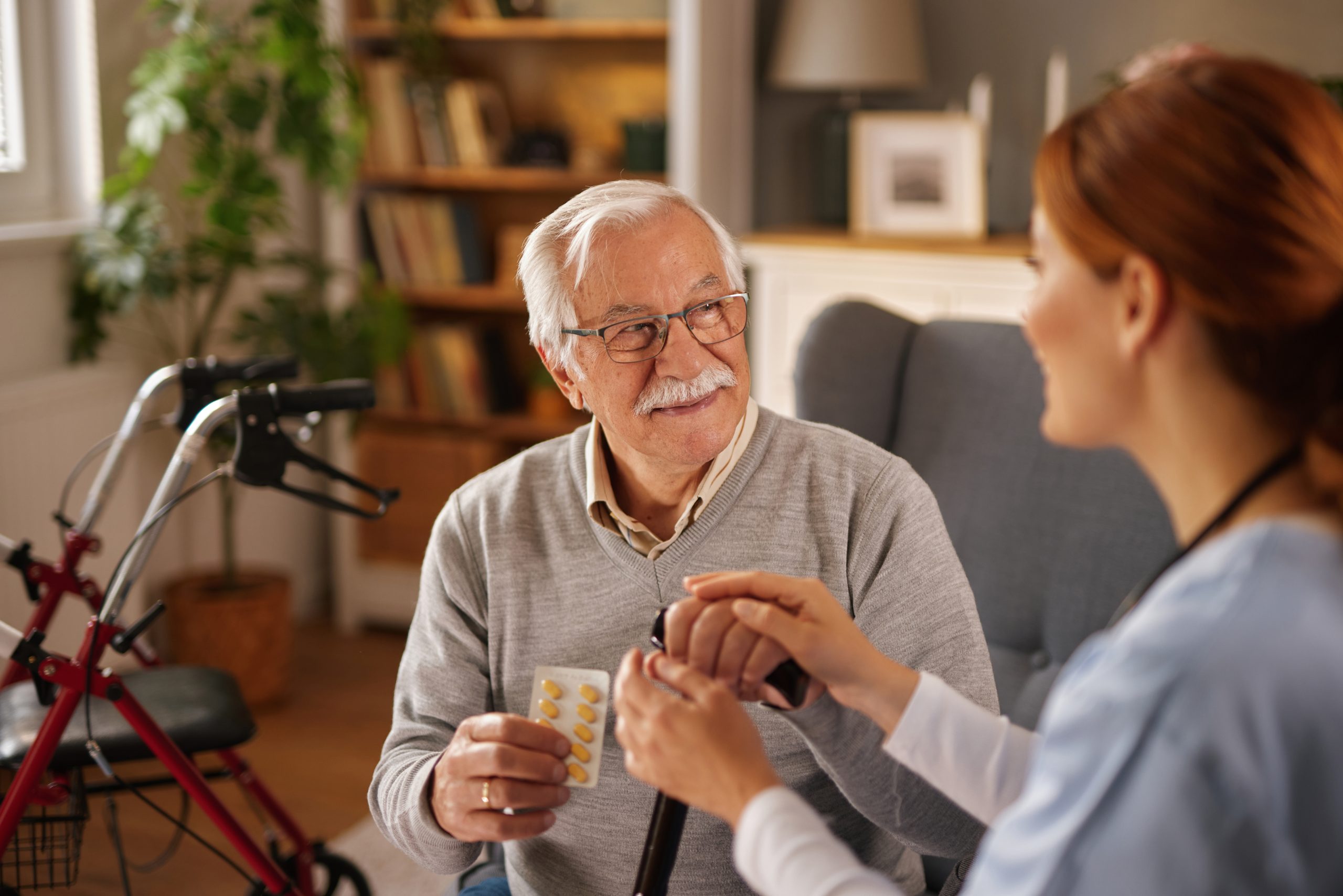
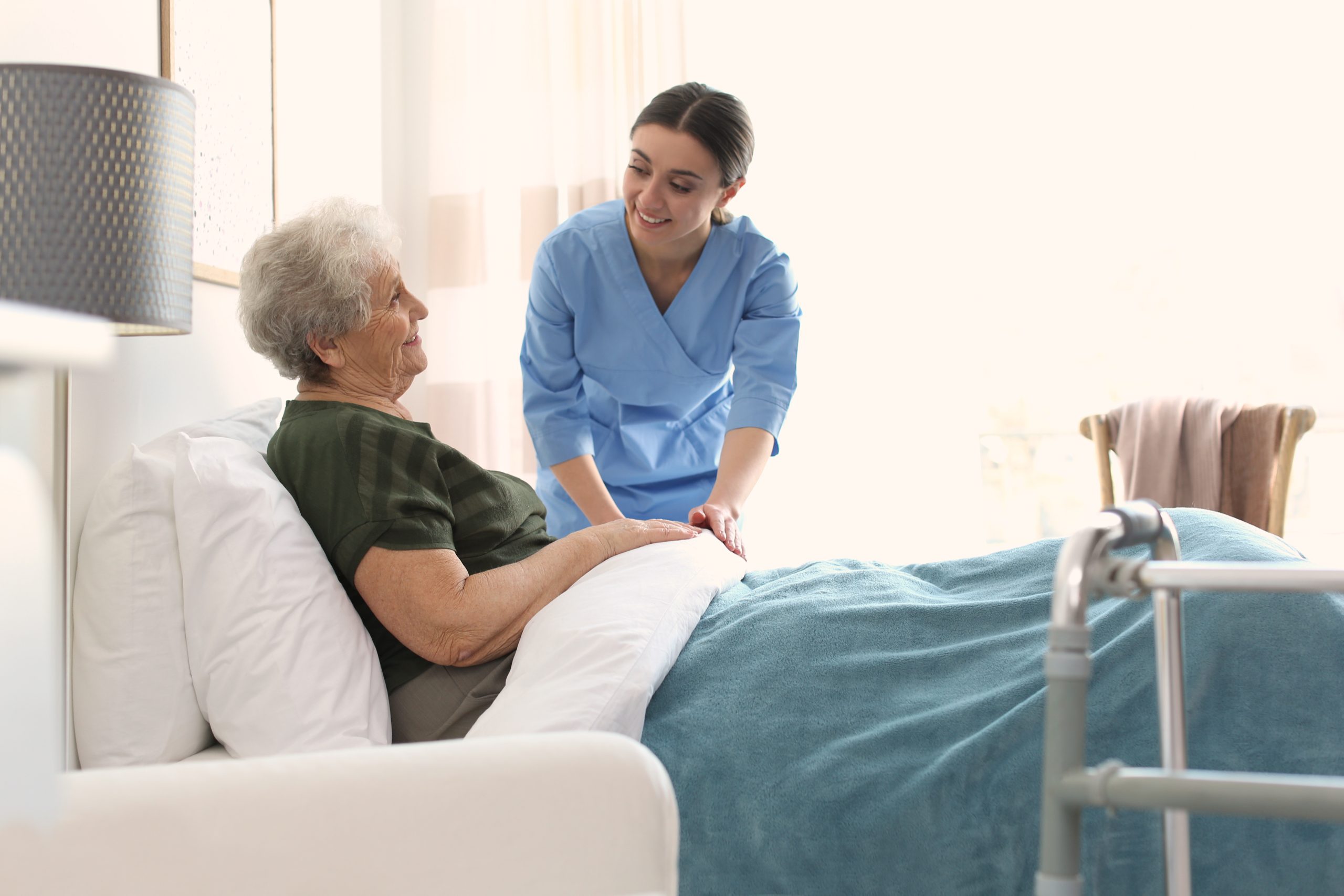
Families are often unprepared for post-hospital care because they drastically underestimate the physical, financial, and emotional demands of managing a senior loved one’s recovery at home. The hospital discharge process usually happens quickly, leaving relatives with very little time to arrange specialized equipment or secure professional help. This sudden shift from a fully staffed medical facility to an unequipped home…

By Kate Race, 9:39 am on May 12, 2026

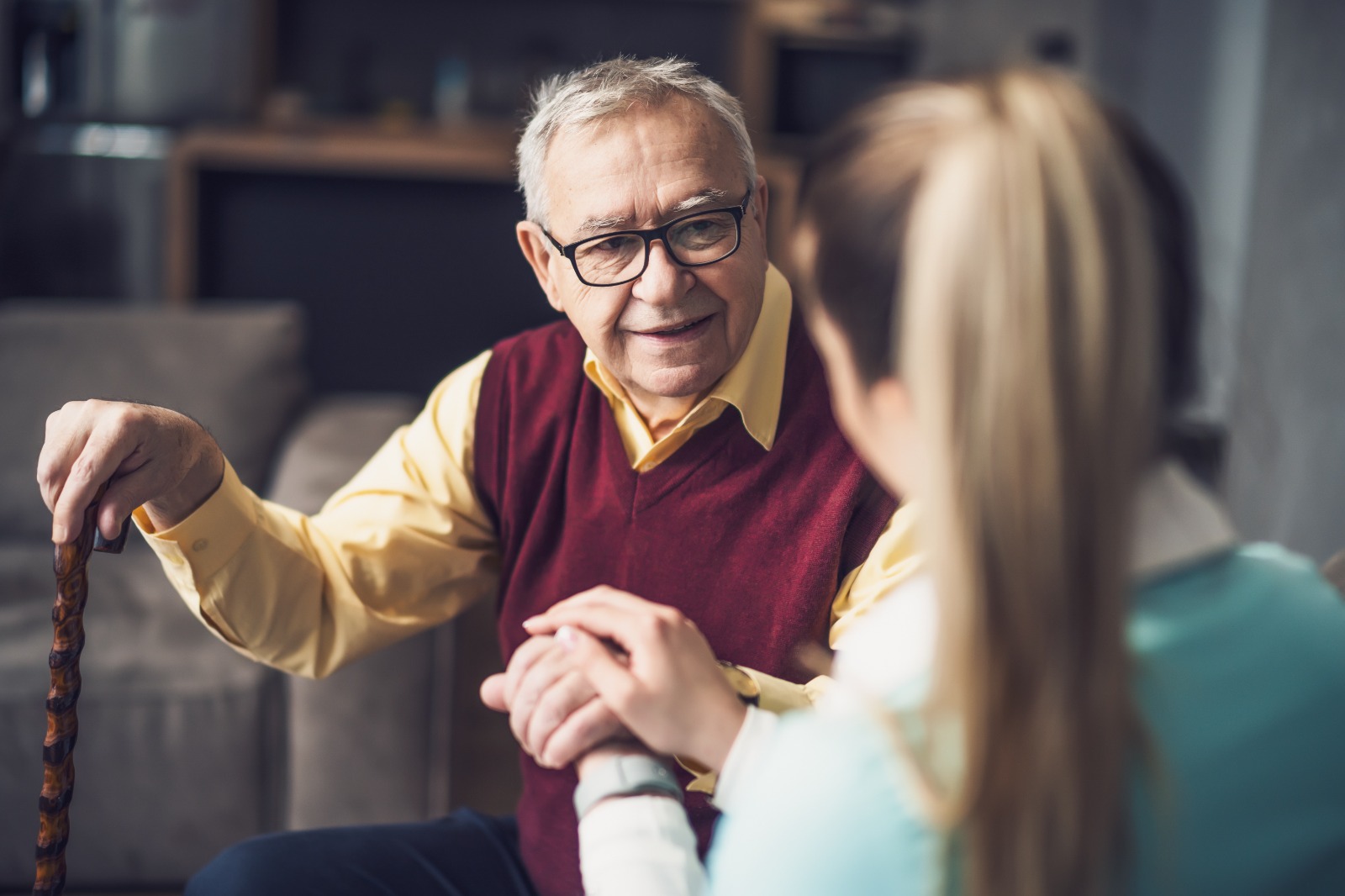
There’s a moment many caregivers reach when everything feels like too much. It doesn’t usually happen all at once. It builds slowly. What started as helping with a few things turns into managing schedules, making decisions, and handling responsibilities that never used to belong to you. Eventually, the thought shows up: I don't know how I can keep doing this.…

By Greg Kling, 8:00 am on April 30, 2026

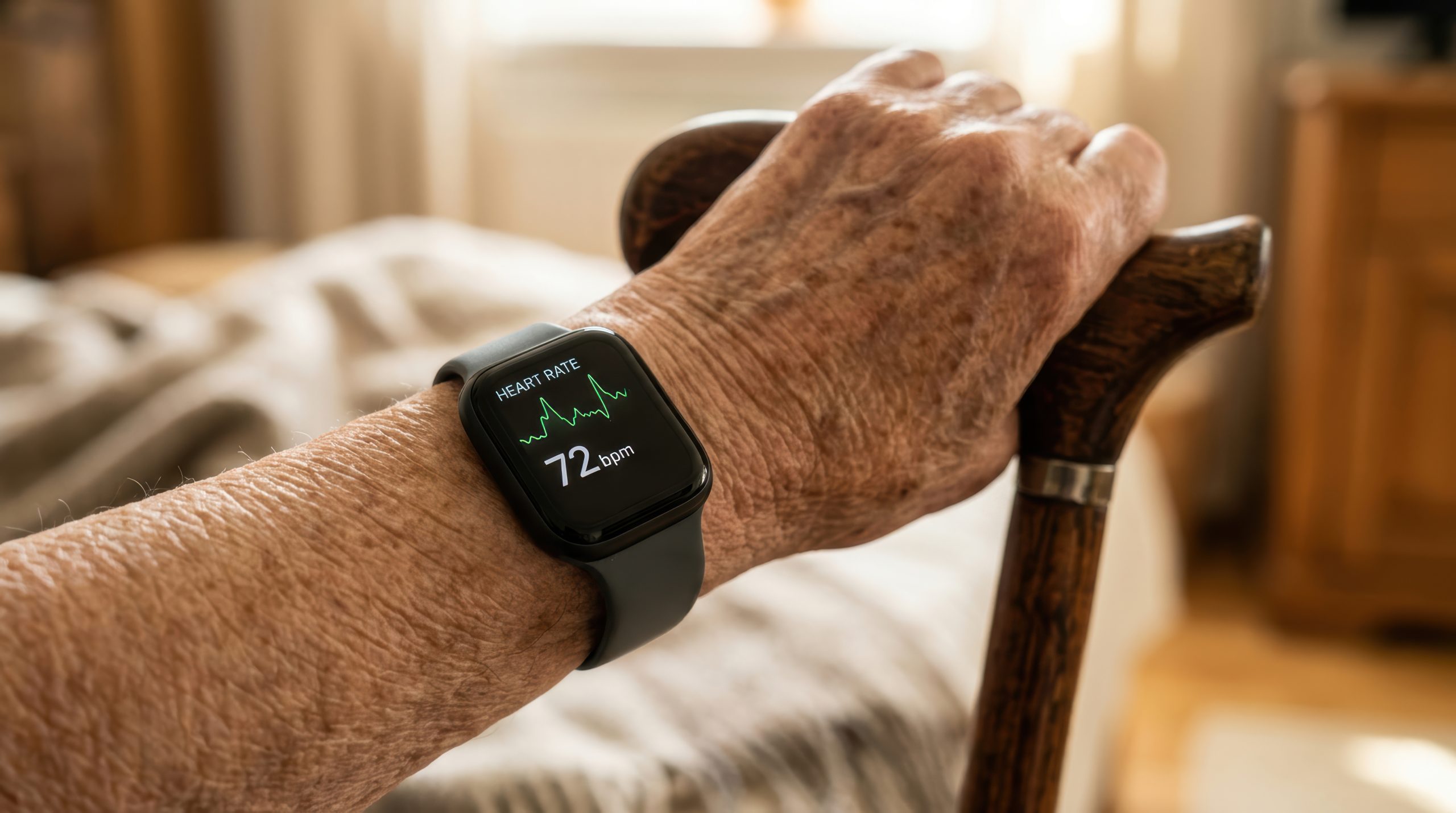
Enhancing communication when providing dementia care requires patience, empathy, and practical strategies that adapt to your senior loved one’s changing needs. Effective communication helps your loved one maintain dignity, reduces confusion, and strengthens the emotional connection between the two of you. This guide offers actionable techniques to improve your interactions and create a more supportive care environment. Why Is Nonverbal…

By Greg Kling, 8:00 am on April 16, 2026

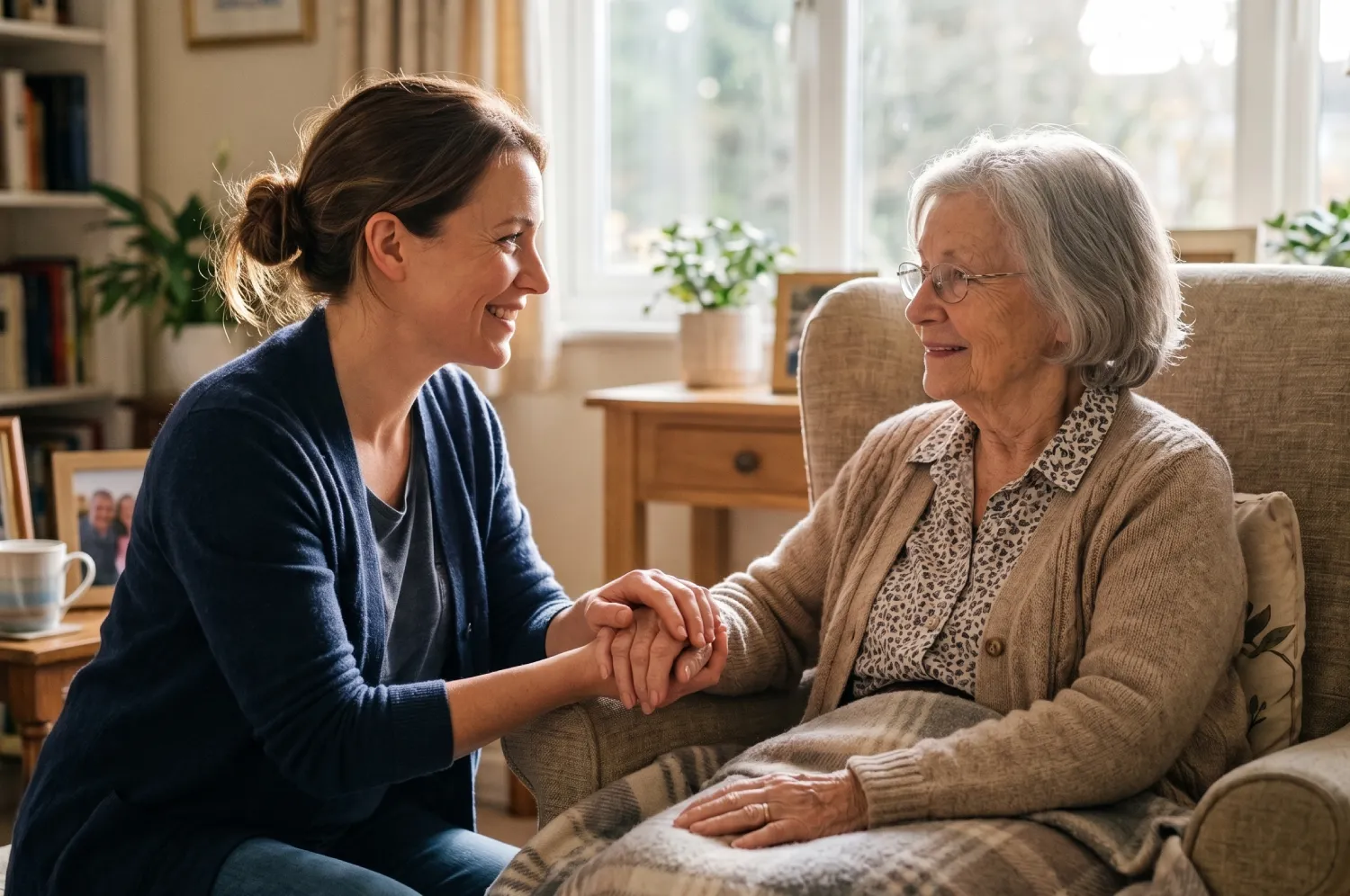
Building a strong relationship with an in-home caregiver starts with clear communication, mutual respect, and establishing trust from day one. When you invest time in creating a positive partnership, you’ll ensure better care for your senior loved one and a more harmonious home environment. Here’s how to foster that connection effectively. Why Is Clear Communication Important from the Start? Open…

By Kate Race, 11:43 am on April 1, 2026

If you’ve ever walked away from a visit unsure how it went, you’re not alone. Many families say spending time with a loved one who has dementia feels different than it used to. Visits can feel unpredictable, emotional, and sometimes discouraging. This shift isn’t because you’re doing something wrong. It’s because dementia changes how connection happens. Understanding Why Visits Feel…

By Greg Kling, 8:00 am on March 26, 2026

It may be time to seek hospice care when a loved one’s condition is no longer responding to curative treatment, daily functioning decreases significantly, and symptoms become difficult to manage. Frequent hospitalizations, reduced appetite, and a shift toward comfort-focused care are key indicators that hospice support may enhance quality of life. Deciding to transition a senior loved one to hospice…

By Kate Race, 6:40 am on March 13, 2026

Families caring for people with dementia often notice moments that are hard to explain. A loved one who used to enjoy restaurants suddenly wants to leave as soon as he or she sits down. The television seems “too loud” even when the volume hasn’t changed. Or a simple step at a doorway suddenly causes hesitation. In many cases, these subtle…

By Greg Kling, 8:08 am on March 12, 2026

There are several common myths about in-home care, many of which are discussed below and are simply not true. Navigating the landscape of elder care options can feel overwhelming, especially when conflicting information clouds your judgment. Before ruling out the possibility of keeping a senior loved one at home, it’s essential to distinguish the realities of modern home care from…

By Greg Kling, 8:00 am on February 26, 2026

The best activities to stimulate the mind of a dementia patient include music and reminiscence, sensory tasks, adaptive puzzles, creative arts, and simple household routines. These activities support memory, mood, and engagement by aligning with the individual’s abilities and personal history, offering both structure and emotional comfort. Keeping the mind active is a vital part of caregiving for individuals with…

By Kate Race, 9:35 am on February 18, 2026

It usually starts with a phone call. “She was fine yesterday.” “He just isn’t himself.” “Something changed overnight.” When that happens, most families immediately think dementia is getting worse. Sometimes it is. But not always. And that distinction matters more than people realize, especially when early signs a senior may need dementia support at home begin to overlap with sudden…