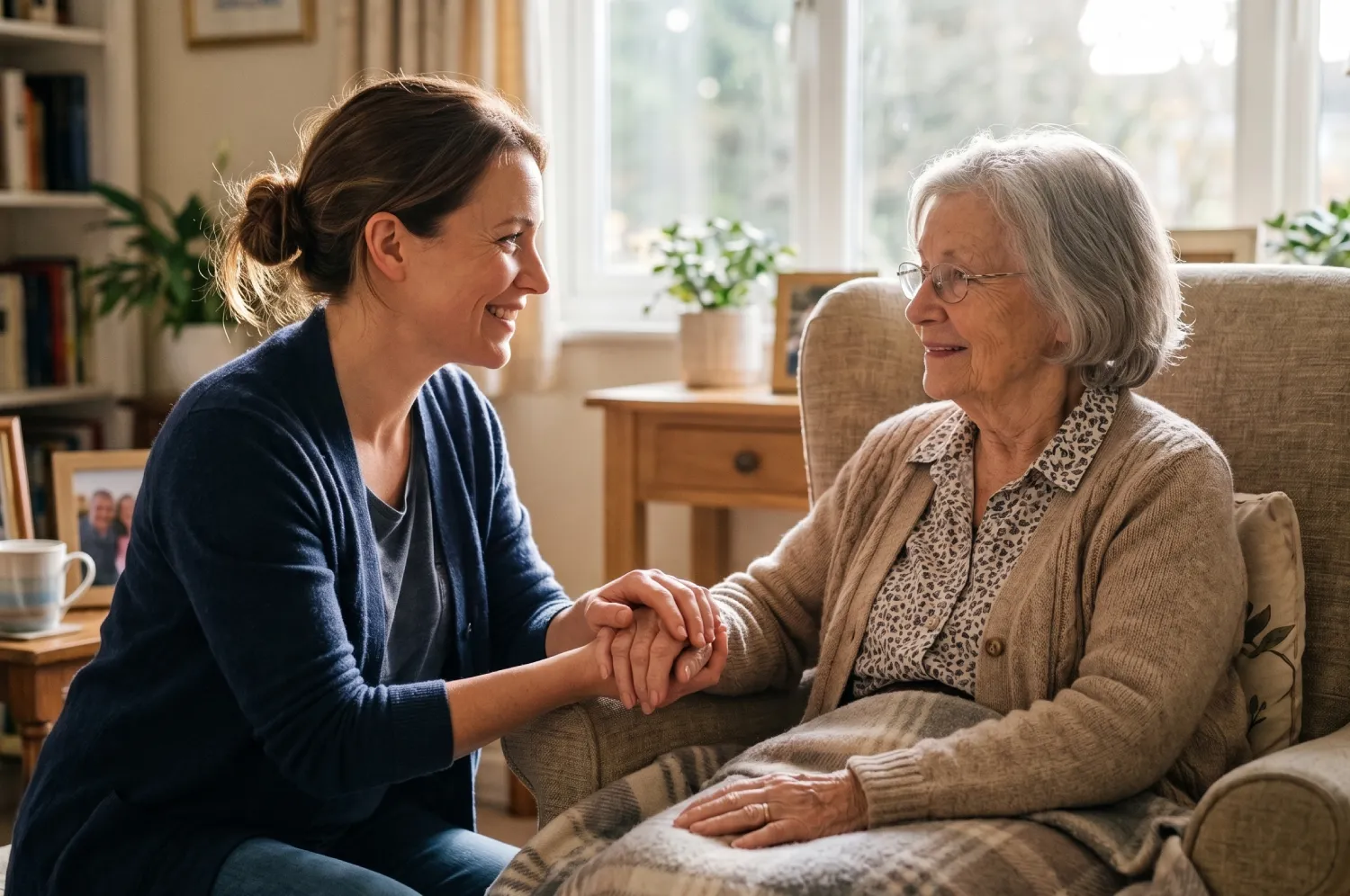
Building a strong relationship with an in-home caregiver starts with clear communication, mutual respect, and establishing trust from day one. When you invest time in creating a positive partnership, you’ll ensure better care for your senior loved one and a more harmonious home environment. Here’s how to foster that connection effectively.
Why Is Clear Communication Important from the Start?
Open and honest communication sets the foundation for a successful caregiving relationship. From the first meeting, share your expectations, your loved one’s preferences, routines, and any care needs he or she may have.
Make sure to do the following:
- Discuss daily schedules and responsibilities clearly.
- Provide written instructions for medications, dietary restrictions, and emergency contacts.
- Encourage the caregiver to ask questions and voice concerns.
- Schedule regular check-ins to discuss what’s working and what needs adjustment.
Establishing a strong relationship with your loved one’s caregiver is especially important if your loved one is living with cognitive decline due to dementia or Alzheimer’s. Central Ohio seniors with Alzheimer’s have much to gain when their families opt for professional Columbus Alzheimer’s care provided by the experienced team at Assisting Hands Home Care. Families can rely on compassionate and dedicated caregivers to help their elderly loved ones manage the various challenges of Alzheimer’s disease so they can enjoy a higher quality of life.
How Can You Show Respect and Appreciation?
Caregivers work hard to provide compassionate, attentive care. Being shown respect and appreciation helps them feel valued and motivated.
Consider these gestures:
- Acknowledge the caregiver’s efforts verbally and through small acts of kindness.
- Respect the caregiver’s time by adhering to agreed-upon schedules.
- Provide a comfortable break area with snacks and refreshments.
- Offer constructive feedback rather than criticism.
- Celebrate milestones like work anniversaries or birthdays.
When caregivers feel appreciated, they’re more likely to go above and beyond for your loved one.
Caring for senior loved ones can be challenging for families who don’t have expertise or professional training in home care, but this challenge doesn’t have to be faced alone. Family caregivers can turn to Assisting Hands Home Care Columbus for the help they need. We provide high-quality in-home care as well as comprehensive Alzheimer’s, dementia, stroke, and Parkinson’s care.
What Role Does Trust Play in the Relationship?
Trust is essential when inviting someone into your home to care for a family member. It doesn’t happen overnight, but you can build it gradually.
Start by:
- Conducting thorough background checks and verifying references before hiring
- Observing interactions between the caregiver and your loved one during the initial weeks
- Being transparent about household rules, boundaries, and expectations
- Allowing the caregiver autonomy to do his or her job without micromanaging
- Addressing concerns promptly and professionally if they arise
Trust deepens when both parties demonstrate reliability, honesty, and consistency.
How Can You Involve the Caregiver in Your Loved One’s Life?
A caregiver who feels like part of the family rather than just an employee will provide more personalized and compassionate care.
You can foster this connection by:
- Sharing stories, photos, and memories about your loved one
- Including the caregiver in family updates and special occasions when appropriate
- Encouraging the caregiver to develop his or her own rapport with your loved one
- Asking for the caregiver’s input on care decisions and listening to his or her observations
When caregivers understand your loved one’s history, personality, and preferences, they can tailor their approach to meet individual needs.
What Should You Do when Challenges Arise?
Even in the best relationships, challenges will occur. How you handle them can either strengthen or strain the partnership.
Address issues by:
- Speaking directly with the caregiver rather than letting frustrations build
- Focusing on specific behaviors or situations, not personal attacks
- Listening to the caregiver’s perspective and working together toward solutions
- Being willing to compromise and adjust expectations when reasonable
- Knowing when to involve an agency or supervisor if problems persist
Respectful conflict resolution demonstrates maturity and commitment to making the relationship work.
For many seniors in central Ohio, Columbus 24-hour care is an essential component of aging in place safely and comfortably. However, it’s important for them to have caregivers they can trust and rely on. At Assisting Hands Home Care, we extensively screen all of our caregivers and only hire those who have experience in the senior home care industry. Our strict requirements ensure seniors can remain in the comfort of home with a reduced risk of injury or serious illness. To hire a professionally trained caregiver for your loved one, call us today.
Frequently Asked Questions
How often should I communicate with my in-home caregiver?
+
Daily brief check-ins are ideal along with weekly or biweekly longer conversations to discuss any changes, concerns, or updates about your loved one’s care.
What if my loved one doesn’t get along with the caregiver?
+
Give the relationship time to develop, as adjustment periods are normal. If issues persist after a few weeks, discuss concerns with the caregiver or agency to determine if a better match is needed.
Should I socialize with my caregiver outside of work?
+
While friendly interactions are encouraged, maintaining professional boundaries is important. Casual conversations are fine, but avoid relationships that could complicate the working dynamic.
How do I know if my caregiver is doing a good job?
+
Look for signs like your loved one appearing comfortable and well cared for, the caregiver following instructions consistently, and open communication about daily activities and any concerns.