Remote monitoring in senior home care uses technology such as sensors, wearables, and cameras to track an older adult’s health and safety in real time, allowing caregivers and family members to stay informed without being physically present.
What Is Remote Monitoring in Senior Home Care?
Remote monitoring refers to the use of digital tools and devices to observe a senior’s daily activity, safety, and wellbeing from a distance. Common tools include:
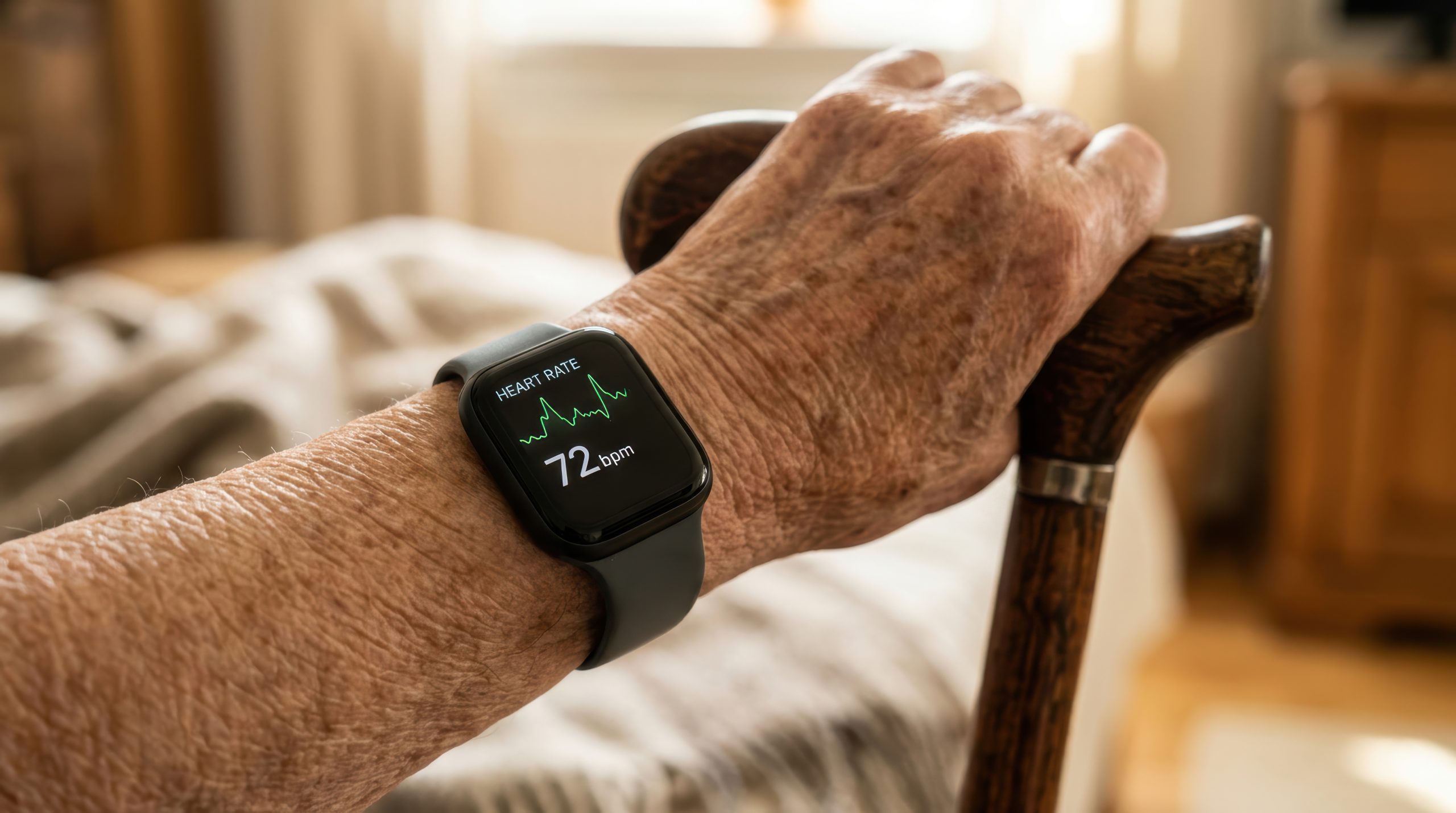
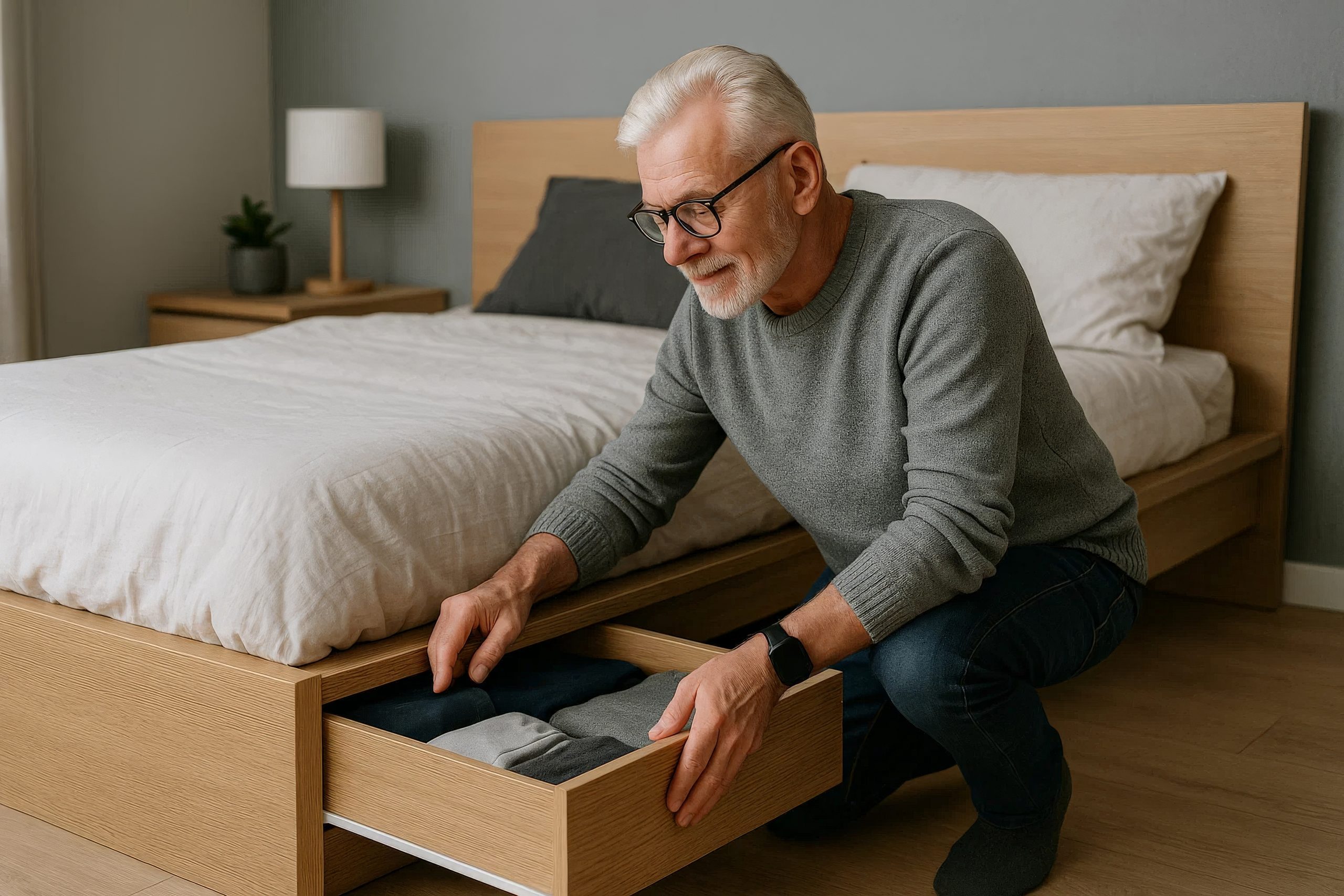
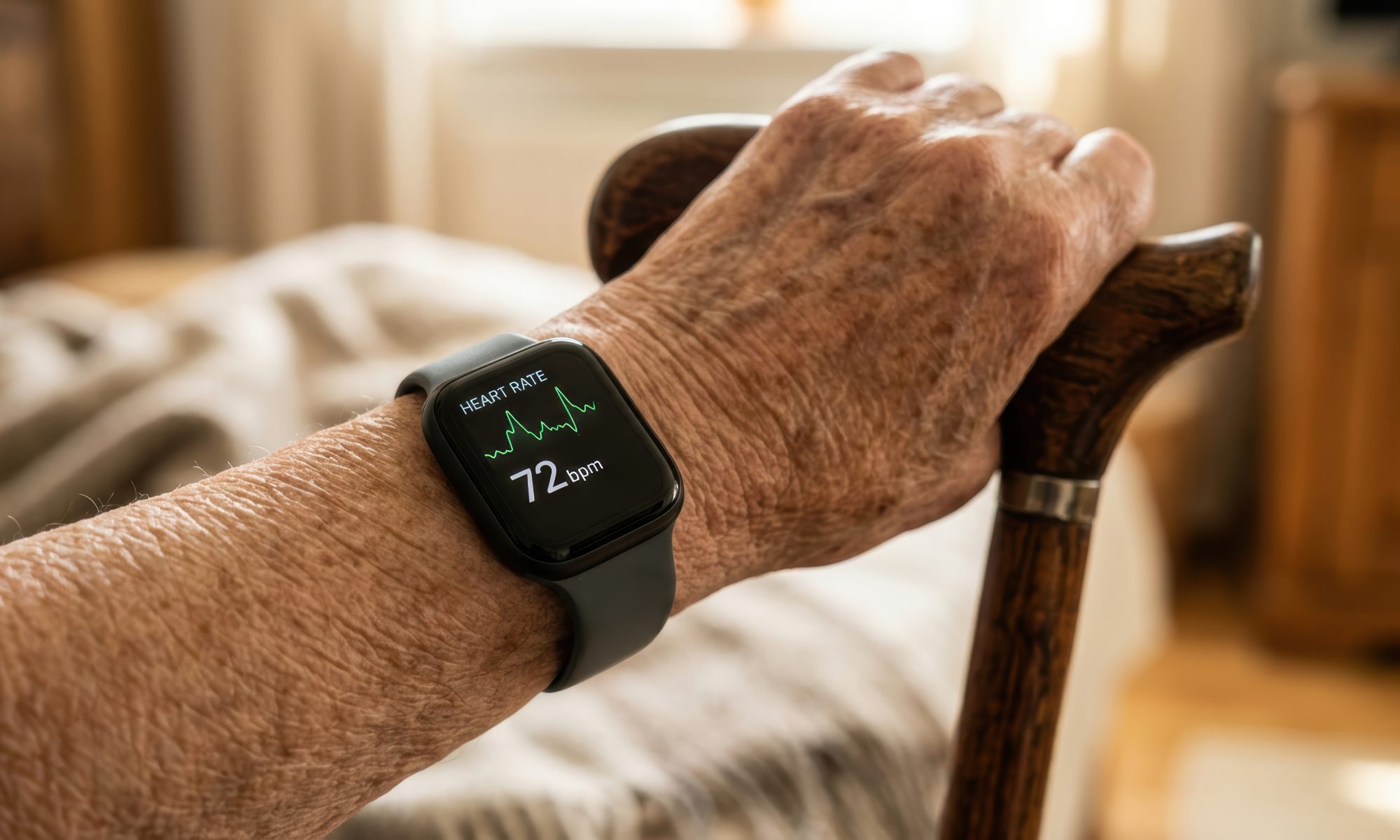
- Wearable devices that track heart rate, sleep, and movement
- Motion sensors placed around the home to detect falls or inactivity
- Video monitoring systems for real-time visual check-ins
- Smart home devices that track door usage, appliance activity, and more
Remote monitoring can be especially helpful for keeping track of seniors with dementia, who often tend to wander. Caring for seniors with dementia can be challenging for family caregivers. Luckily, there is high-quality dementia home care available for Columbus seniors and their families. Professional dementia caregivers help seniors with dementia stay safe and comfortable at home by preventing wandering, providing cognitive stimulation, and assisting with household chores.
What Are the Key Benefits of Remote Monitoring for Seniors?
Remote monitoring helps seniors stay safely at home longer while keeping caregivers and loved ones informed. Key benefits include:
- Greater independence for seniors who prefer to remain in their own homes
- Faster response times when something unusual is detected
- Reduced caregiver stress through continuous automated oversight
- Early detection of changes in daily routines that may signal a concern
Living independently is important for seniors who want to maintain a high quality of life. For some, this simply means receiving help with tasks that have become more challenging to manage over time. Even when families have the best intentions, they may not have the time to provide the care their elderly loved ones need and deserve. If your loved one needs help to age in place as independently as possible, reach out to Assisting Hands Home Care, a trusted provider of respite, 24-hour, and overnight home care Columbus seniors can depend on.
How Does Remote Monitoring Support Family Caregivers?
Family caregivers, especially those who live far away, often have difficulty staying informed about a loved one’s daily wellbeing. Remote monitoring bridges that gap by:
- Sending alerts directly to a caregiver’s phone or email
- Providing dashboards that display activity summaries and trends over time
- Reducing the need for constant in-person check-ins
- Allowing multiple family members to stay informed simultaneously
What Should Families Look for when Choosing a Remote Monitoring System?
Not all remote monitoring systems are created equal. When evaluating options, families should consider:
- Ease of use for the senior and the caregiver
- Privacy settings and data security protocols
- Type of monitoring offered (passive sensors vs. active check-ins)
- Integration with existing devices or smart home systems
- Cost and subscription structure, including any up-front hardware fees
What Are the Privacy Considerations of Remote Monitoring?
Respecting a senior’s privacy is essential when introducing monitoring technology into the home. Best practices include:
- Having an open, honest conversation with your loved one before installing any devices
- Avoiding cameras in private areas such as bathrooms and bedrooms (unless agreed upon)
- Reviewing the provider’s data storage and sharing policies carefully
- Giving your loved one control over certain settings wherever possible
Remote monitoring is a useful tool, but it can’t replace the supervision and personalized care a senior gets from an in-home caregiver. One of the most challenging tasks of helping an elderly relative age in place safely and comfortably is researching agencies that provide home care. Families can turn to Assisting Hands Home Care for reliable, high-quality Columbus home care for aging adults. We offer 24-hour care for seniors who require extensive assistance, and we also offer respite care for family caregivers who need a break from their caregiving duties. For more information about our flexible, customizable home care plans, call one of our compassionate Care Managers today.
Frequently Asked Questions
Is remote monitoring the same as surveillance?
+
No. Remote monitoring is designed to support safety and independence, not to surveil. The goal is to detect potential issues and alert caregivers, not to record every moment of your loved one’s life.
How much does remote monitoring for seniors typically cost?
+
Costs vary widely depending on the system, but most include an up-front hardware fee plus a monthly subscription, which can range from $20 to over $100 per month.
Do seniors need to wear devices for remote monitoring to work?
+
Not always. Many systems rely on passive sensors placed around the home that detect motion and activity without requiring the senior to wear anything.
Can remote monitoring replace in-home caregivers?
+
No. Remote monitoring is a supplement to, not a replacement for, in-home care. It enhances oversight between caregiver visits but doesn’t provide hands-on support.
Is remote monitoring appropriate for seniors with dementia?
+
Remote monitoring can be particularly helpful for seniors with dementia, as it can track wandering patterns and unusual behaviors, but it should always be implemented in consultation with your loved one’s care team.