Managing pain in senior loved ones with dementia who cannot verbally communicate requires caregivers to recognize behavioral and physical cues, use validated pain assessment tools, and apply consistent comfort strategies, since dementia doesn’t reduce a person’s ability to feel pain, only the ability to express it.
Loved ones with dementia feel pain just as acutely as anyone else, but the disease progressively strips away their ability to communicate that pain. Recognizing and responding to unspoken discomfort is one of the most important and most challenging responsibilities a caregiver can face.
What Are the Behavioral Signs a Person with Dementia May Be in Pain?
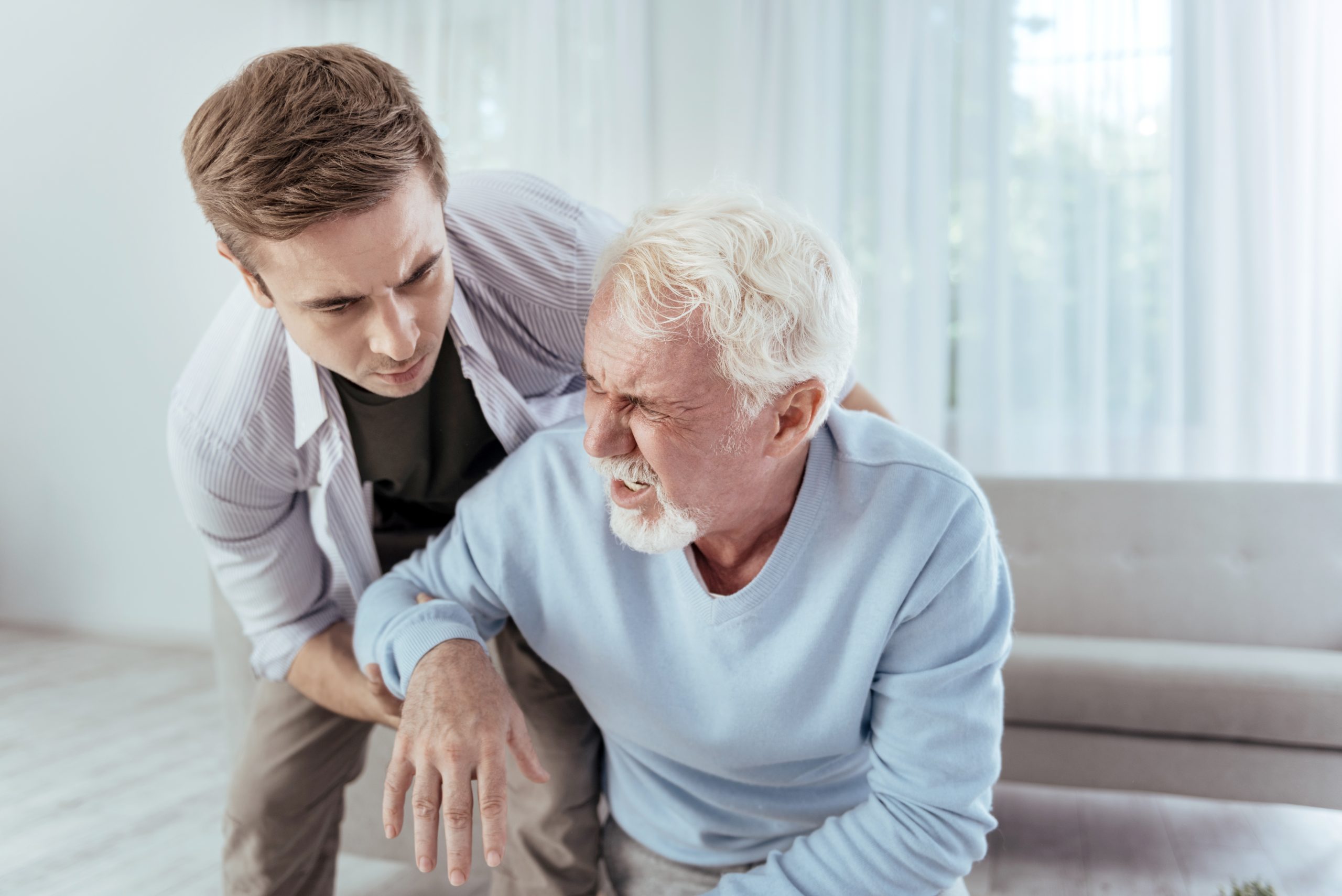
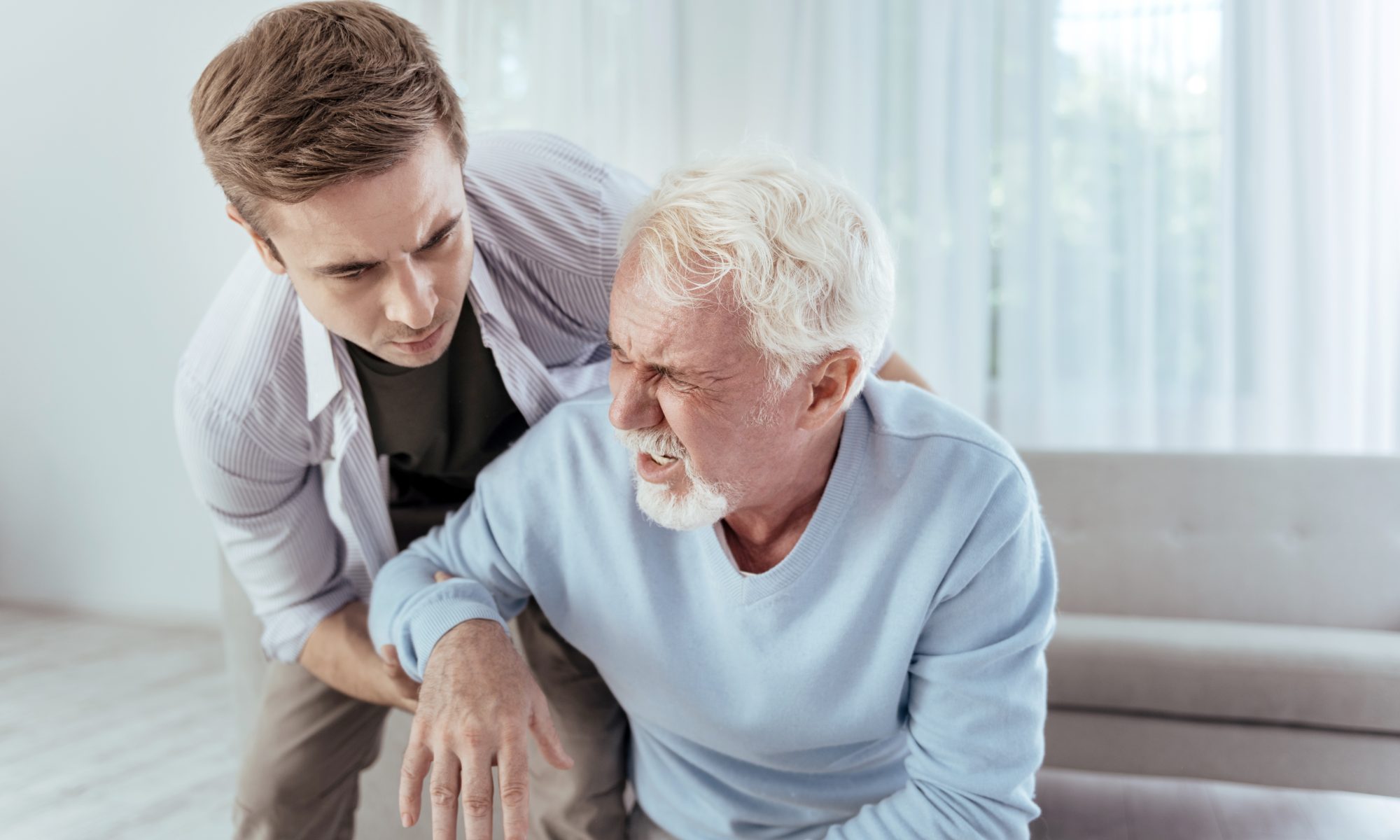
Because verbal communication becomes limited, pain often shows up as a change in behavior. Watch for:
- Increased agitation, restlessness, or resistance to care
- Grimacing, furrowing of the brow, or clenched teeth
- Moaning, groaning, or crying out without a clear cause
- Rocking, guarding a specific body part, or unusual stillness
- Sudden changes in sleep patterns or appetite
- Withdrawal from activities your loved one normally enjoys
Any unexplained shift in mood or behavior should be treated as a potential pain signal until another cause is identified.
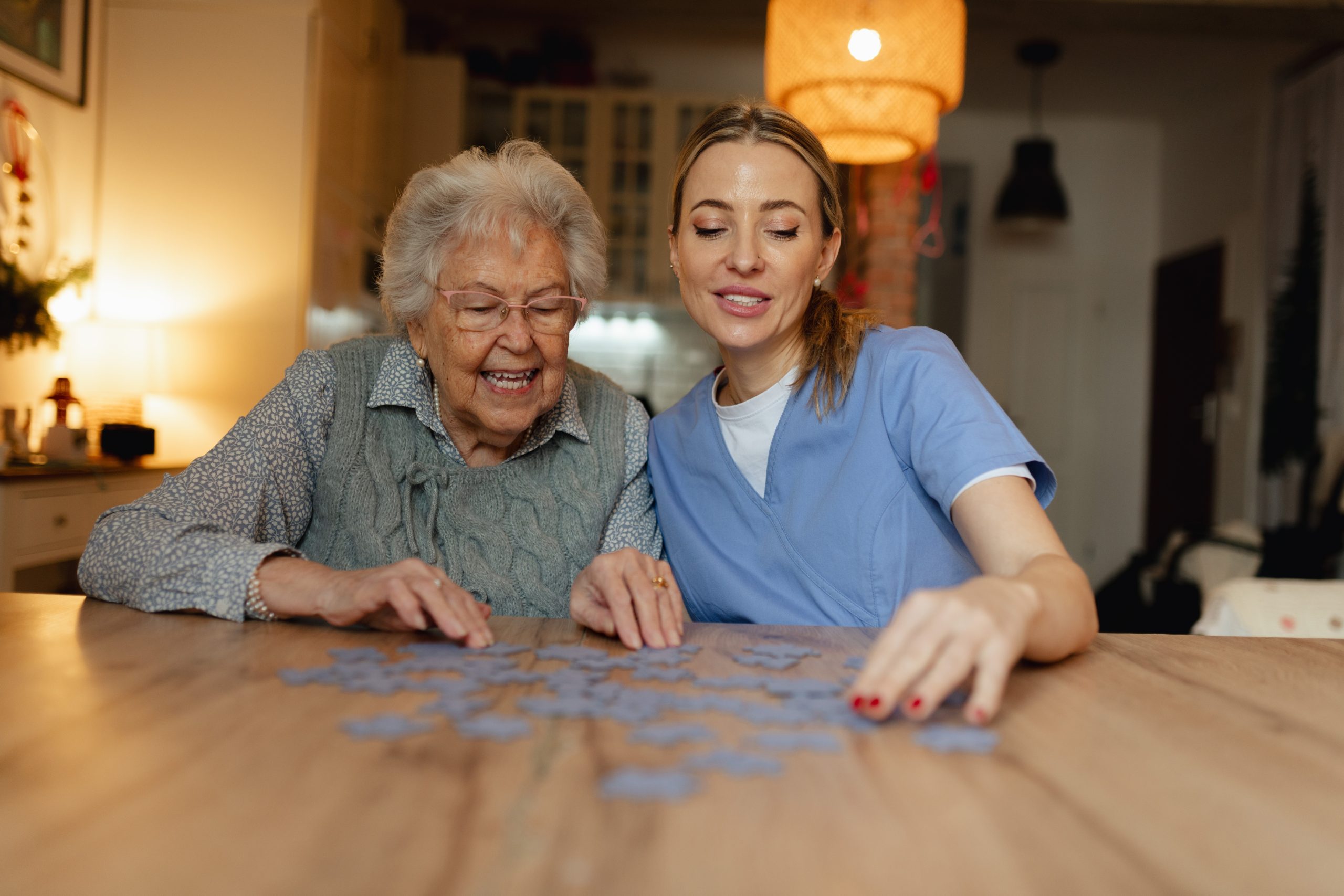
Living with dementia can make it difficult for seniors to manage everyday tasks on their own. Certain age-related conditions can make it more challenging for older adults to age in place safely and comfortably, but experts in Columbus 24-hour home care for seniors are available around the clock to help aging adults manage their health. Whether your loved one is living with dementia or recovering from a stroke, you can trust the professional caregivers from Assisting Hands Home Care to enhance his or her quality of life.
What Tools Can Caregivers Use to Assess Pain in Nonverbal Dementia Patients?
Validated observational pain scales are designed specifically for people who cannot self-report pain. Commonly used tools include:
- PAINAD (Pain Assessment in Advanced Dementia) – Scores five behaviors (breathing, vocalization, facial expression, body language, and consolability) on a 0–2 scale, with a total score ranging from 0 to 10
- Abbey Pain Scale – Evaluates six indicators, including physical changes like skin color and body language, to produce a pain severity rating
- DOLOPLUS-2 – A 10-item scale used across somatic, psychomotor, and psychosocial dimensions, particularly suited for older adults in long-term care
Using the same tool consistently allows caregivers to track changes over time and communicate observations clearly with other members of the care team.
What Are the Most Effective Non-Pharmacological Comfort Strategies?
Several non-drug approaches can meaningfully reduce discomfort:
- Repositioning – Regularly changing posture relieves pressure-related pain, particularly in individuals who are less mobile.
- Heat and cold therapy – Warm compresses can ease muscle tension. Cold packs may reduce localized swelling.
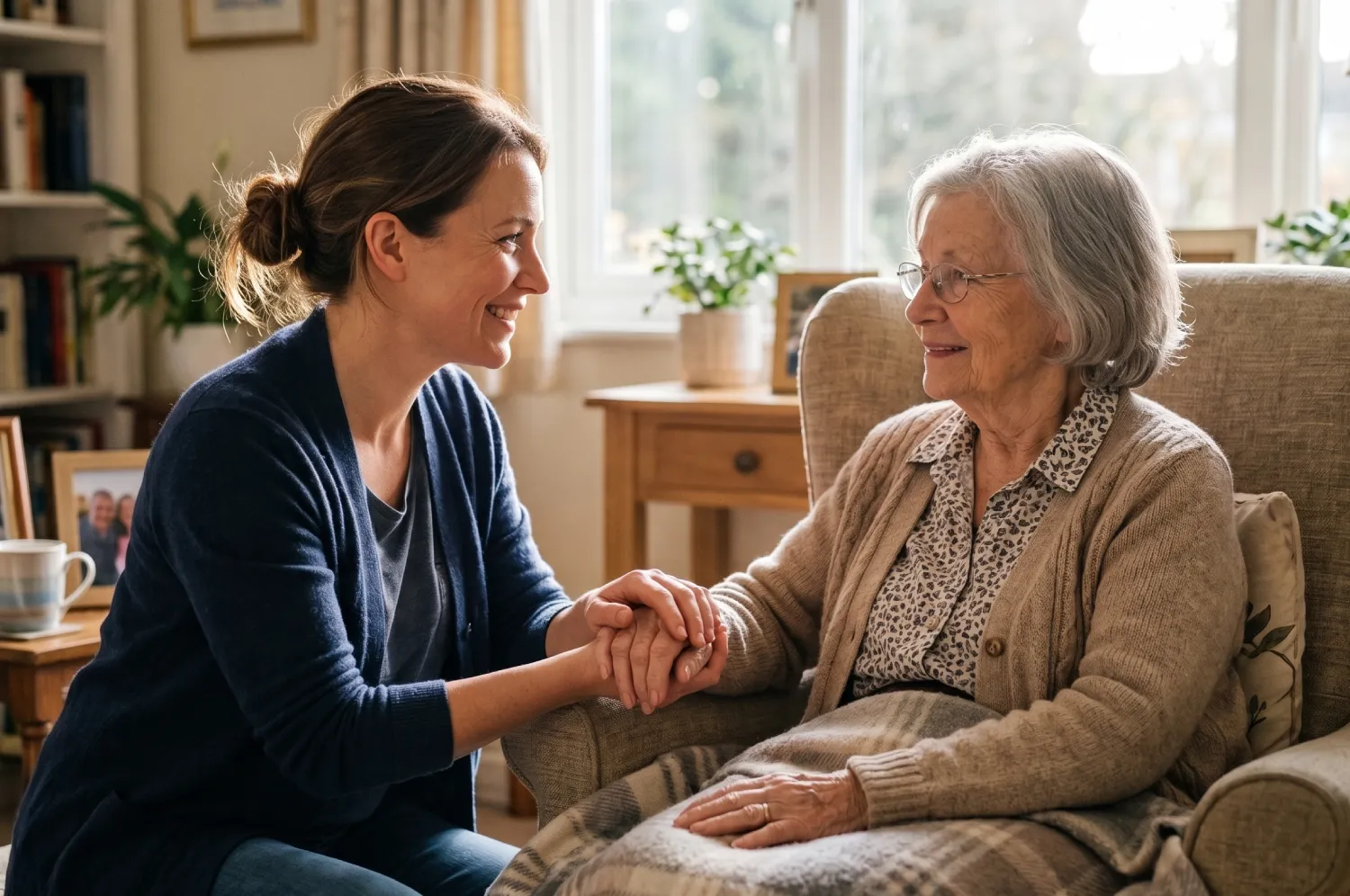
- Gentle touch and massage – Light, rhythmic touch can calm agitation and reduce perceived pain intensity.
- Familiar music – Research has shown music therapy can reduce behavioral symptoms associated with pain and distress in dementia patients.
- Environmental adjustments – Reducing noise, ensuring comfortable room temperature, and providing adequate lighting can eliminate unnecessary stressors that amplify discomfort.
Trained caregivers who have experience in communicating with seniors with dementia can be a fantastic resource for family members. If your senior loved one has been diagnosed with a serious condition and needs help with tasks like meal prep, transportation, medication reminders, bathing, and grooming, reach out to Assisting Hands Home Care, a leading provider of Columbus home care service. We also offer comprehensive care for seniors with dementia, Alzheimer’s, and Parkinson’s.
How Should Caregivers Document and Track Pain Over Time?
Consistent documentation helps you identify pain patterns and evaluate whether interventions are working. Effective tracking includes:
- Recording observations using the same pain assessment tool at regular intervals
- Noting the time of day, activity, or situation in which discomfort appears
- Logging which comfort strategies were tried and how your loved one responded
- Sharing written records with all caregivers involved to ensure continuity
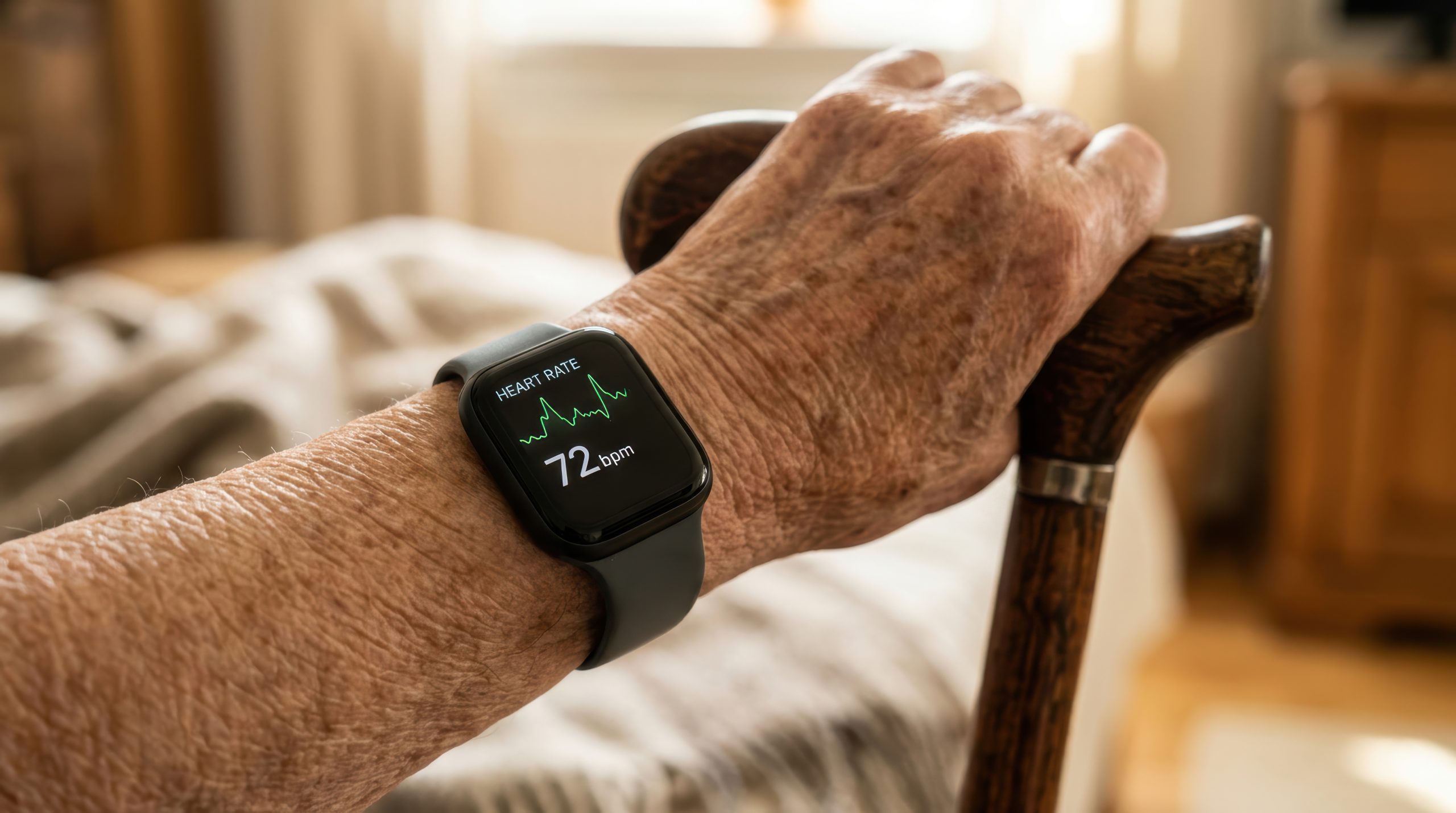
A simple daily log, whether it’s digital or on paper, creates a reliable record that supports more informed and responsive care.
How Can Caregivers Maintain Their Own Wellbeing while Managing This Responsibility?
Caring for a loved one with dementia who cannot express pain is emotionally and physically demanding. Sustainable caregiving depends on:
- Setting realistic expectations – No caregiver can prevent all discomfort, and accepting that is an important part of self-compassion.
- Taking breaks – Respite care, even for a few hours a week, significantly reduces caregiver burnout.
- Connecting with others – Support groups, both in person and online, offer practical advice and emotional validation from people in similar situations.
- Tracking your own stress signals – Exhaustion, irritability, and emotional numbness are signs you also need support.
Even when families have the best intentions, caring for a senior loved one with dementia can be challenging. Fortunately, Assisting Hands Home Care is here to help. We are a leading provider of dementia home care for seniors in Columbus and nearby areas. You can take advantage of our flexible and customizable care plans, and our caregivers always stay up to date on the latest developments in senior care. To learn about our high-quality in-home care services, give us a call today.
Frequently Asked Questions
Does dementia reduce a person’s ability to feel pain?
+
No. Dementia affects the ability to communicate pain, not the ability to feel it. People with advanced dementia experience pain as intensely as anyone else.
How often should caregivers assess for pain in a nonverbal loved one?
+
Pain assessments should be conducted regularly throughout the day, especially during and after activities like bathing, dressing, or repositioning, when discomfort is more likely to occur.
Can agitation in dementia always be attributed to pain?
+
Not always. Agitation can stem from hunger, loneliness, environmental overstimulation, or confusion, but pain should always be considered and ruled out first.
What’s the most widely used pain scale for nonverbal dementia patients?
+
The PAINAD (Pain Assessment in Advanced Dementia) scale is one of the most widely used and validated tools for assessing pain in individuals who cannot verbally self-report.
How can caregivers communicate pain observations to the broader care team?
+
Keeping a written or digital pain log that records behavioral changes, assessment scores, and caregiver interventions provides a clear, shareable record for all members of the care team.