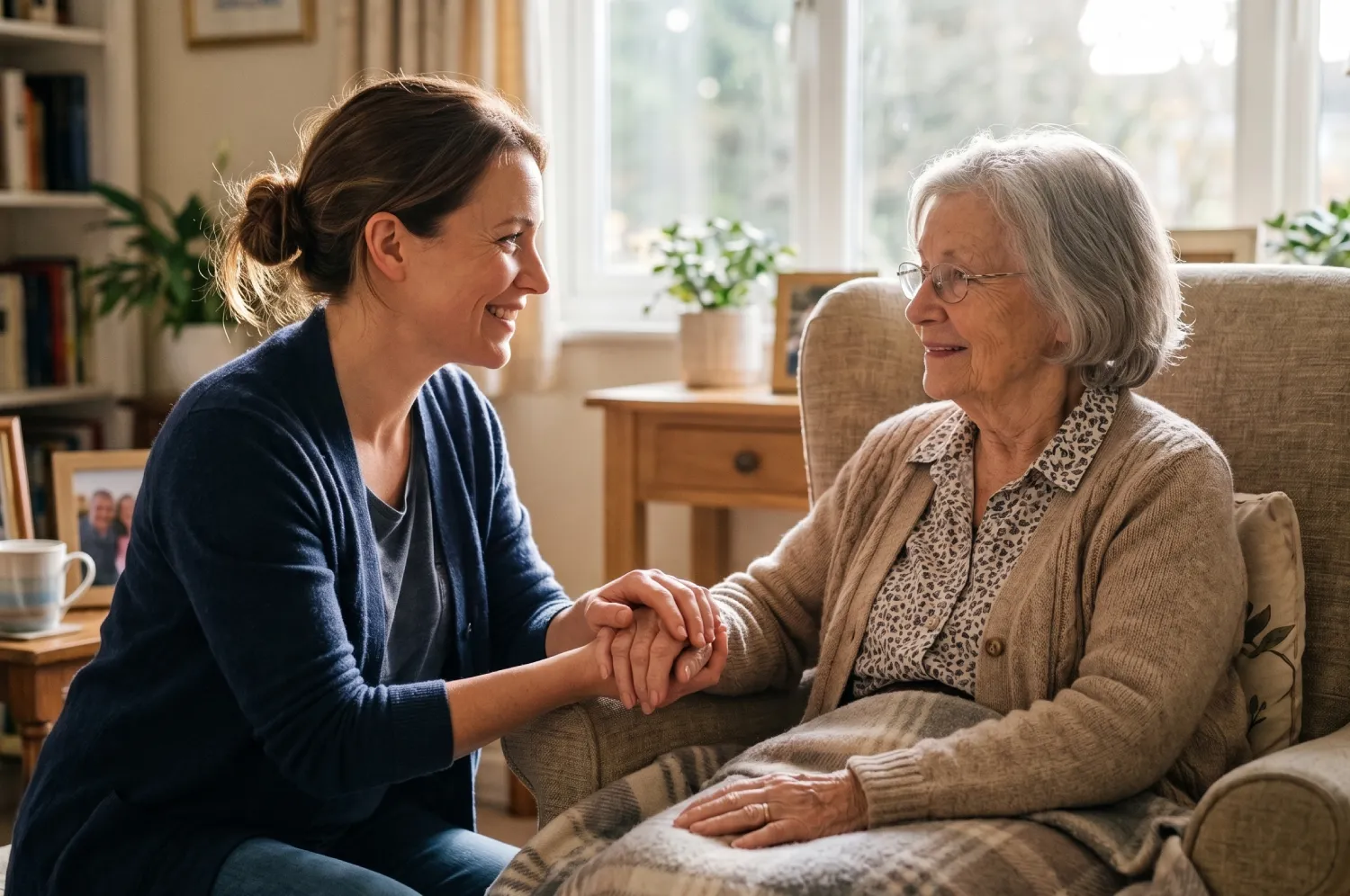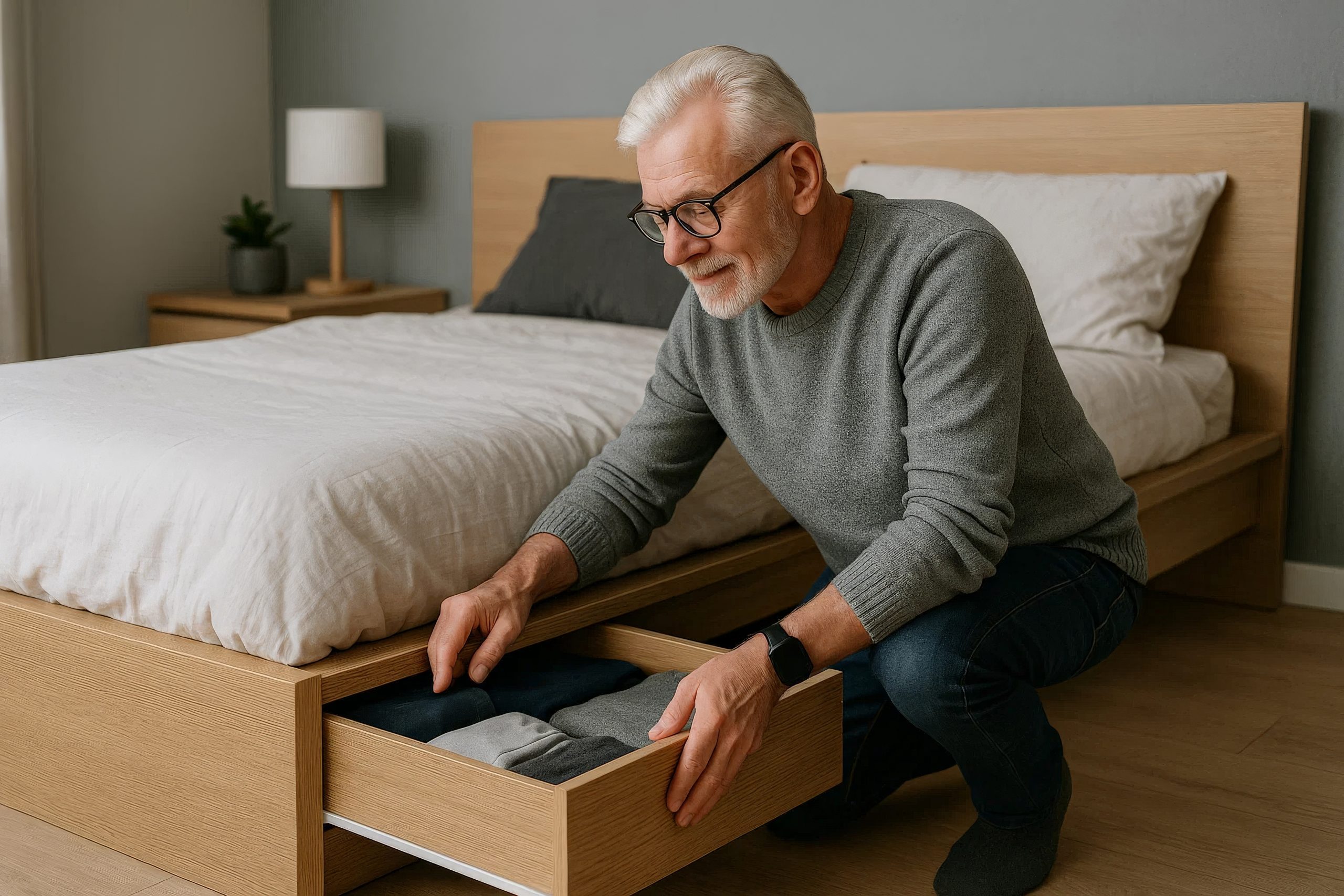
Adapting dementia care for personality shifts involves modifying your communication and daily routines to safely and compassionately accommodate your senior loved one’s changing behaviors. As the condition progresses, you might notice alterations in your loved one’s mood, reactions, and general demeanor. Understanding these changes and adjusting your approach can greatly enhance the daily experience for both of you.
Why Do Personality Changes Occur in Dementia?
Personality shifts happen because the condition physically alters the brain, damaging the cells responsible for emotional regulation, memory, and impulse control. As these areas deteriorate, your loved one may lose his or her filter, become easily frustrated by confusion, or act in ways that seem entirely out of character. These behavioral changes are a direct result of the neurological damage rather than a deliberate choice by your loved one.
How Can Caregivers Respond to Anger or Aggression?
When faced with anger or aggression, remain calm and avoid arguing, as reasoning often escalates the situation. Instead, try to identify the underlying trigger causing the distress.
- Validate your loved one’s feelings by acknowledging the frustration.
- Redirect your loved one’s attention to a pleasant activity or a different room.
- Ensure the environment is quiet and free of excessive noise or clutter that might cause sensory overload.
Symptoms such as agitation, confusion, anger, and frustration are common in elderly people with dementia. Caring for seniors with dementia can be challenging for family caregivers. Luckily, there is high-quality dementia home care available for Columbus seniors and their families. Professional dementia caregivers help seniors with dementia stay safe and comfortable at home by preventing wandering, providing cognitive stimulation, and assisting with household chores.
What Are Effective Ways to Handle Apathy?
Handling apathy requires gentle encouragement and finding activities that still resonate with your loved one’s past interests or present abilities. Break tasks down into simple manageable steps to prevent your loved one from feeling overwhelmed.
- Invite your loved one to help with simple household chores like folding laundry.
- Play your loved one’s favorite music or look through old photo albums together.
- Keep interactions short and positive, praising your loved one’s participation without forcing engagement.
How Should You Address Paranoia or Delusions?
Addressing paranoia or delusions involves offering reassurance rather than trying to correct your loved one’s false beliefs. Attempting to convince your loved one that his or her reality is wrong will usually only increase his or her anxiety and suspicion.
- Respond to the emotion behind the delusion, saying things like “I can see why that would be scary.”
- Offer to help your loved one look for a “stolen” item instead of explaining that he or she misplaced it.
- Distract your loved one with a comforting snack or a change of scenery once he or she feels heard and safe.
One of the most challenging tasks of helping an elderly relative age in place safely and comfortably is researching agencies that provide home care. Families can turn to Assisting Hands Home Care for reliable, high-quality Columbus senior home care for aging adults. We are a trusted provider of respite and 24-hour care, and we also offer specialized Alzheimer’s, dementia, Parkinson’s, and stroke care for seniors.
Certain age-related conditions can make it more challenging for seniors to age in place safely and comfortably, but 24-hour home care experts are available around the clock to help Columbus seniors manage their health. Whether your loved one is living with dementia or recovering from a stroke, you can trust the professional caregivers from Assisting Hands Home Care to enhance his or her quality of life. At Assisting Hands Home Care, we take measures to help seniors prevent illness and injury by assisting with exercise and mobility, preparing nutritious meals, helping with bathing and other personal hygiene tasks, and much more. Call one of our friendly Care Managers today to learn more about our customized care plans.
Frequently Asked Questions
How long do personality changes last in dementia?
+
Personality changes can fluctuate daily and may evolve or settle as your loved one progresses through different stages of the condition.
Is it normal for someone with dementia to use bad language?
+
Yes, it’s very common for individuals to use uncharacteristic profanity because the brain’s impulse control center has been damaged.
Can changing the living environment reduce agitation and confusion?
+
Absolutely, reducing loud noises, minimizing clutter, and keeping living spaces well lit can significantly decrease confusion and agitation.
What’s the best way to communicate during a behavioral shift?
+
Use a calm, gentle tone of voice, maintain relaxed body language, and keep your sentences short and simple.
Why does my loved one act differently with me than with others?
+
Seniors with dementia often feel safest expressing their frustration and confusion with their primary caregivers, which can result in more challenging behaviors directed at the caregiver.