Summer heat can become dangerous faster than many families expect, especially for older adults living alone or managing chronic health conditions. Rising temperatures in Columbus often bring dehydration, fatigue, and heat-related illness risks that affect seniors differently than younger adults. Preparing ahead with simple daily habits, indoor cooling strategies, and caregiver support can help aging adults stay safer, more comfortable, and independent throughout the hottest months of the year.
Why Seniors Face Higher Heat Risks During Summer
Older adults often face difficulties with body temperature regulation during extreme summer weather. Aging reduces the body’s ability to cool itself efficiently, which increases the risk of dehydration and overheating. Many seniors also take medications that affect sweating, hydration levels, or blood circulation. In Columbus, summer humidity can make these challenges even harder to manage because the body loses fluids more quickly in humid conditions.
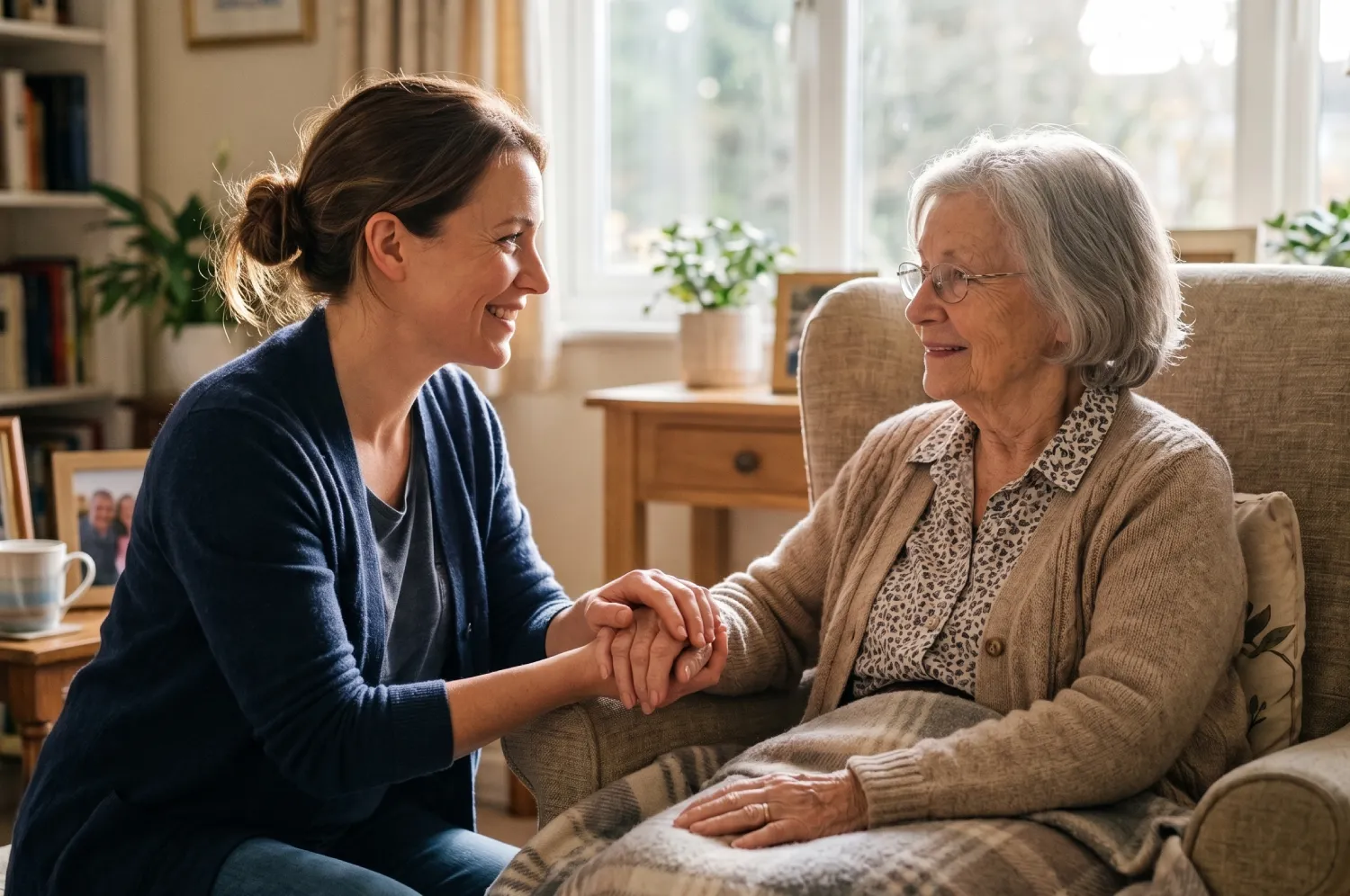
Families supporting older loved ones frequently turn to home care in Columbus to help them monitor hydration, medication schedules, and indoor comfort during heatwaves. Professional caregivers can also recognize early warning signs before a medical emergency develops. Seniors living alone may not always notice symptoms immediately, which makes regular wellness checks especially important during periods of extreme heat. Health experts also recommend limiting outdoor activity during afternoon hours when temperatures peak. Even short exposure to excessive heat can trigger dizziness, confusion, or weakness in older adults. Staying proactive during summer can reduce emergency room visits and heat-related complications.
Warning Signs of Heat Exhaustion Older Adults Should Never Ignore
Heat exhaustion can develop gradually, which makes symptoms easy to overlook at first. Many seniors assume fatigue or dizziness is simply part of aging, but these signs may signal a dangerous rise in body temperature. Recognizing symptoms early allows families and caregivers to respond quickly before heat stroke occurs.
Common warning signs include:
- Excessive sweating or unusually dry skin
- Muscle cramps and weakness
- Headaches or dizziness
- Nausea and loss of appetite
- Rapid heartbeat
- Confusion or unusual irritability
- Extreme thirst or dry mouth
If symptoms worsen, immediate medical attention may become necessary. Heat stroke is considered a serious medical emergency because it can affect brain function, heart health, and breathing. Seniors with diabetes, heart disease, or mobility limitations face even higher risks during Ohio heatwaves. Caregivers should also monitor changes in behavior. Sudden confusion, slower speech, or difficulty walking may indicate dangerous overheating. Quick action, including cooling the body and increasing hydration, can prevent severe complications.
Daily Hydration Habits that Can Help Seniors Stay Safe
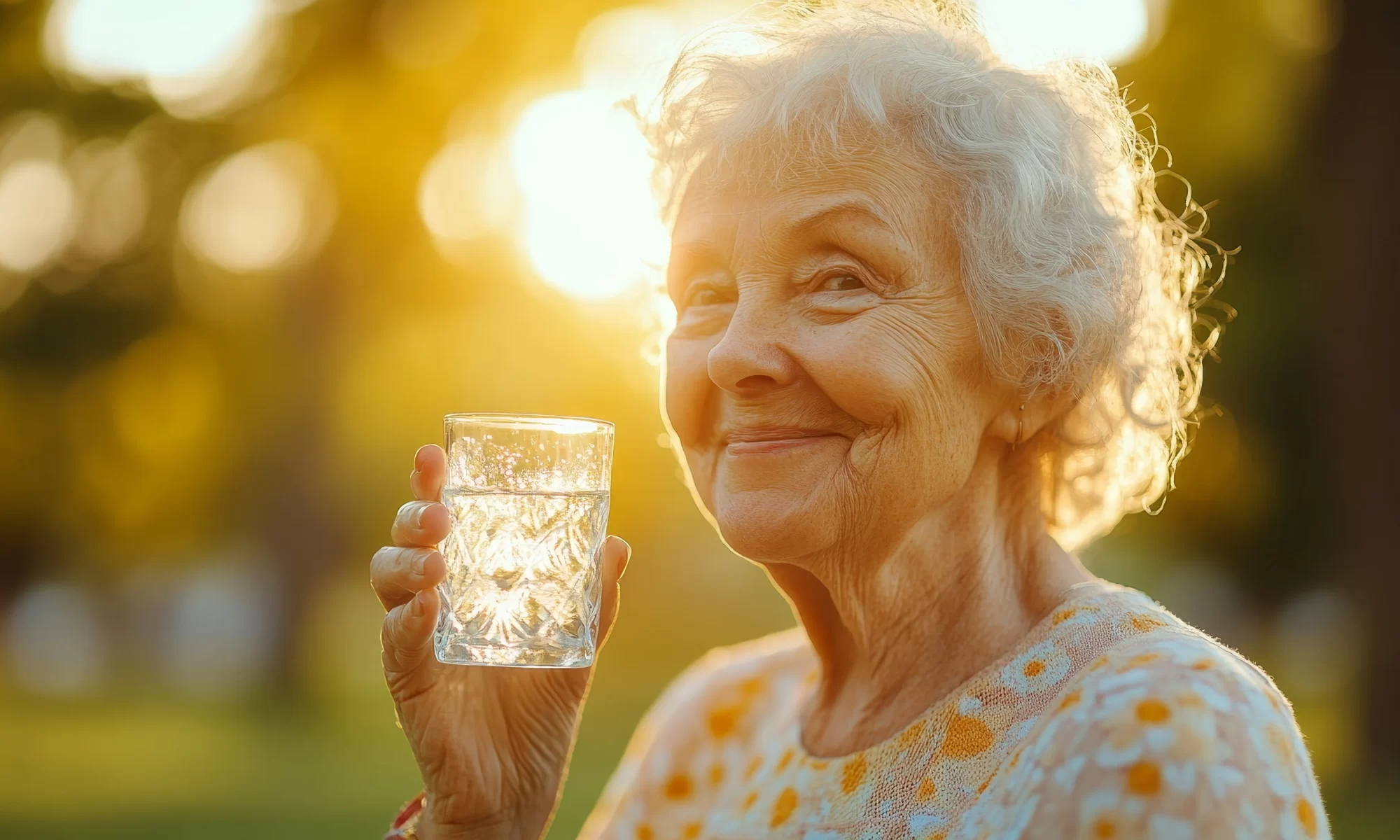
Hydration plays a major role in summer safety for aging adults. Unfortunately, many seniors naturally experience a reduced sense of thirst, meaning they may not drink enough water throughout the day. This increases the chance of dehydration during hot weather. Establishing simple hydration routines can help seniors stay healthier and more energized during the summer months. Older adults should aim to drink fluids consistently instead of waiting until they feel thirsty. Water-rich foods like cucumbers, watermelon, strawberries, and oranges may also help seniors maintain healthy hydration levels. Limiting caffeine and sugary beverages becomes equally important because they can contribute to fluid loss.
During especially hot days, families often rely on 24-hour care in Columbus to ensure their senior loved ones continue eating balanced meals, drinking enough fluids, and remaining comfortable overnight. Around-the-clock monitoring can provide reassurance when heat warnings remain active for several consecutive days. Small habits also make a meaningful difference. Keeping a reusable water bottle nearby, setting hydration reminders, and drinking water with every meal may help seniors maintain better fluid intake without feeling overwhelmed.
Tips for Indoor Cooling during Columbus Heatwaves
Indoor temperatures can rise quickly during summer afternoons, particularly in homes without proper ventilation or air conditioning. Seniors spending most of their day indoors still face heat-related risks if living spaces become too warm. Maintaining a cool environment can reduce physical stress and increase comfort levels throughout the day. Closing blinds during peak sunlight hours can block excess heat from entering the home. Ceiling fans may increase airflow, but fans alone aren’t always enough during extreme heat. Air conditioning remains one of the most effective ways to prevent overheating indoors. Families should also check filters regularly to ensure cooling systems function properly.
Cooling centers around Columbus may provide temporary relief during severe heat emergencies. Seniors who face financial difficulties with utility costs may benefit from local community assistance programs designed for vulnerable adults during summer months. Wearing lightweight clothing indoors and avoiding oven use during the hottest part of the day can also help seniors maintain safer indoor temperatures. Even small changes in routine may significantly increase comfort and reduce heat stress.
Summer Foods that Support Hydration and Energy
Nutrition becomes especially important during hot weather because the body loses fluids and minerals more rapidly. Seniors may feel less hungry during summer, but skipping meals can increase fatigue and weakness. Choosing lighter meals with hydrating ingredients can support energy levels while reducing strain on digestion.
Some of the best summer foods for seniors include:
- Watermelon and cantaloupe
- Leafy green salads
- Greek yogurt with berries
- Cucumbers and celery
- Smoothies with low-sugar fruits
- Grilled fish and lean proteins
- Coconut water in moderation
Electrolyte-rich foods may also replace minerals lost through sweating. Potassium, magnesium, and sodium play important roles in muscle and nerve function during hot weather. Balanced nutrition supports stronger immunity and helps older adults recover more effectively from heat exposure. Heavy fried meals and salty processed foods can worsen dehydration symptoms. Preparing simple, refreshing meals often makes eating easier for seniors during periods of intense summer heat.
Heatwave Safety Table for Seniors
| Summer Safety Concern | Why It Matters for Seniors | Prevention Tips |
| Dehydration | Increases weakness and confusion | Drink water regularly |
| Heat Exhaustion | May lead to heat stroke | Stay indoors midday |
| Medication Reactions | Some medicines affect hydration | Review medications with doctors |
| Poor Air Circulation | Raises indoor heat levels | Use fans and AC together |
| Sun Exposure | Increases overheating risk | Wear hats and sunscreen |
| Limited Mobility | Reduces ability to cool down | Schedule wellness checks |
Smart Clothing Choices for Hot Ohio Weather
Clothing can significantly affect body temperature during summer. Many seniors continue wearing heavy fabrics out of habit, even when temperatures become dangerous. Breathable materials and lighter colors help the body stay cooler throughout the day while reducing sweat buildup.
Helpful clothing recommendations include:
- Loose-fitting cotton shirts
- Lightweight pajama fabrics
- Wide-brim hats outdoors
- Moisture-wicking socks
- Breathable walking shoes
- UV-protective sunglasses
Families balancing caregiving responsibilities sometimes use respite care in Columbus during extreme heat periods to ensure their aging loved ones receive proper supervision and daily assistance. Temporary caregiving support can help families avoid burnout while keeping seniors safer during weather emergencies. Changing clothes immediately after outdoor activity may also prevent discomfort and overheating. Seniors should avoid dark-colored fabrics because they absorb more heat during direct sun exposure.
Medications that May Increase Heat Sensitivity
Certain medications can increase the body’s sensitivity to heat and dehydration. This becomes especially important for older adults managing multiple prescriptions. Some blood pressure medications, antihistamines, antidepressants, and diuretics may interfere with sweating or fluid balance. Seniors should never stop medications without medical guidance, but discussing summer safety concerns with healthcare providers remains important. Doctors may recommend adjusting routines, increasing hydration, or monitoring side effects more closely during hot weather.
Warning signs linked to medication-related heat sensitivity include sudden dizziness, fainting, dry skin, and unusual fatigue. Caregivers should pay attention to these changes because symptoms may appear slowly over several days. Keeping medications stored at recommended temperatures also matters during the summer. Excessive indoor heat can sometimes reduce medication effectiveness, especially in homes without reliable cooling systems.
Safe Outdoor Activities for Older Adults during the Summer
Staying active remains important for healthy aging, even during the summer months. However, outdoor activities should be planned carefully to reduce heat exposure. Morning walks or evening gardening sessions usually provide safer alternatives to midday exercise.
Seniors can still enjoy summer safely by:
- Walking before 10 a.m.
- Taking breaks in shaded areas
- Wearing breathable clothing
- Bringing water outdoors
- Avoiding strenuous activity in high humidity
Social interaction also supports emotional wellness during summer. Visiting community centers, attending indoor activities, or participating in low-impact exercise classes can help seniors stay active without facing unnecessary heat risks. Family members should encourage older adults to listen to their bodies. Feeling tired or dizzy outdoors should never be ignored during hot weather conditions.
How Family Caregivers Can Prevent Heat Emergencies
Family caregivers play a major role in protecting seniors during summer heatwaves. Daily communication, hydration reminders, and home safety checks can reduce the likelihood of serious heat-related illness. Even short phone calls or visits may help caregivers identify early symptoms before they become dangerous.
Caregivers can increase summer safety by:
- Checking indoor temperatures daily
- Monitoring water intake
- Scheduling regular wellness visits
- Preparing emergency contact lists
- Watching for confusion or weakness
- Encouraging light meals and rest
Creating an emergency plan also helps families respond faster during severe weather alerts. Knowing where cooling centers are located and having transportation options prepared can make stressful situations easier to manage. Consistent support helps older adults feel safer, more comfortable, and less isolated during long periods of extreme summer heat.
Creating a Safer Summer Routine for Aging Loved Ones
Summer safety starts with preparation, awareness, and consistent daily habits. Older adults face unique challenges during Columbus heatwaves, but simple adjustments can greatly reduce health risks. Hydration, cooling strategies, balanced nutrition, and caregiver involvement all contribute to safer aging during extreme temperatures. Families should treat heat safety as an ongoing priority rather than a temporary concern. Monitoring indoor comfort, planning outdoor activities carefully, and recognizing warning signs early can prevent serious complications. Small lifestyle changes often create the biggest long-term protection for seniors during the hottest months of the year.
Frequently Asked Questions
How hot is too hot for seniors during summer?
+
Temperatures above 90°F can become risky for older adults, especially with high humidity. Seniors cool down more slowly than younger adults. Staying indoors during peak afternoon heat can reduce health complications.
What are the first signs of dehydration in elderly adults?+
Dry mouth, dizziness, fatigue, and darker urine are common early symptoms. Some seniors may also feel confused or unusually weak. Increasing water intake quickly can prevent worsening symptoms.
How often should seniors drink water during hot weather?+
Most seniors benefit from drinking fluids consistently throughout the day instead of waiting until thirst develops. Small amounts every hour may help seniors stay hydrated more effectively during heatwaves.
Can fans alone keep seniors safe during extreme heat?+
Fans may increase comfort, but they’re not always enough during severe heat conditions. Air conditioning or cooling centers provide stronger protection when temperatures remain dangerously high.
Why do medications affect heat tolerance in seniors?+
Some medications interfere with sweating, circulation, or fluid balance. This may increase overheating risks during summer weather. Seniors should discuss heat safety concerns with healthcare providers regularly.