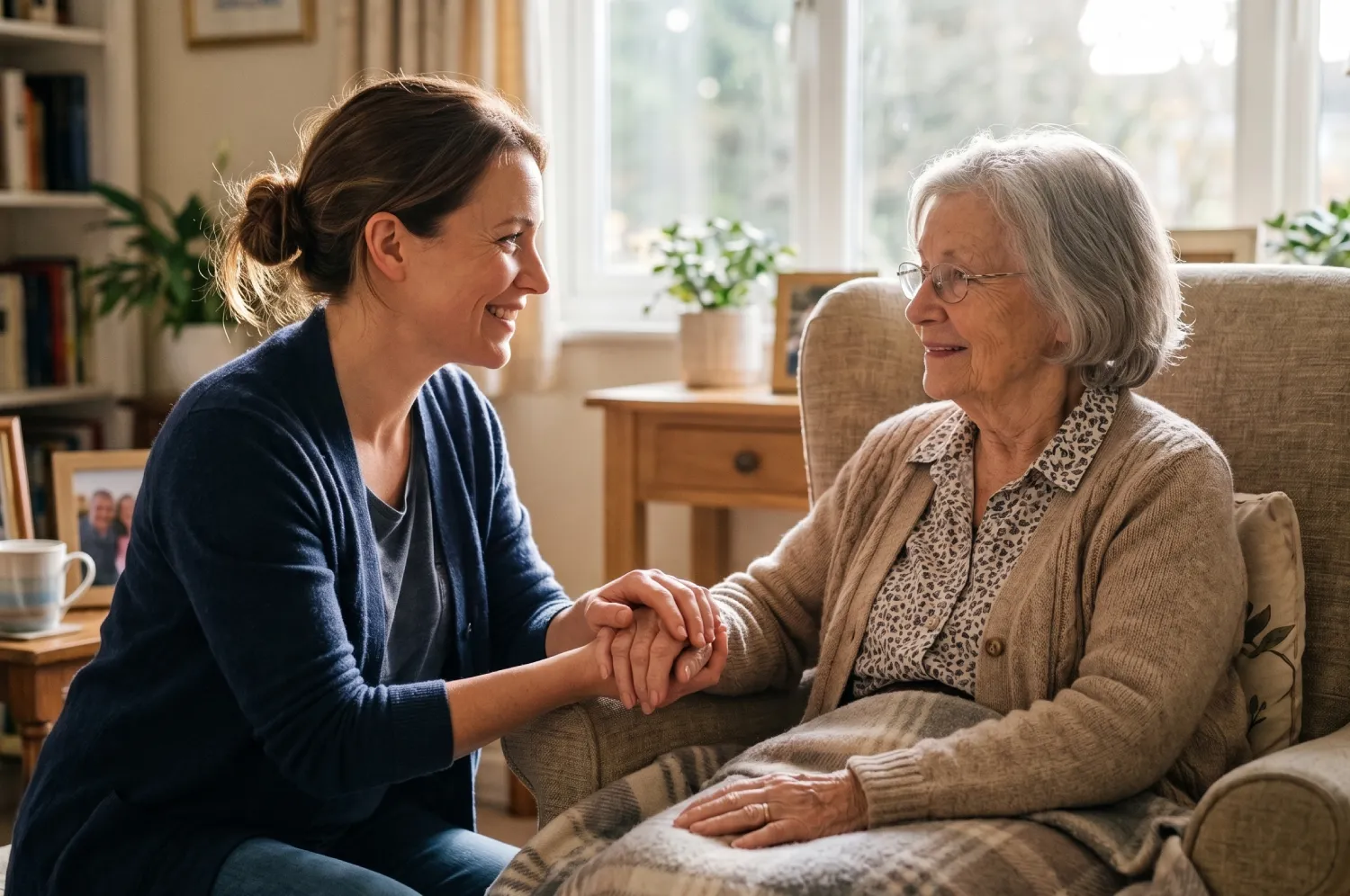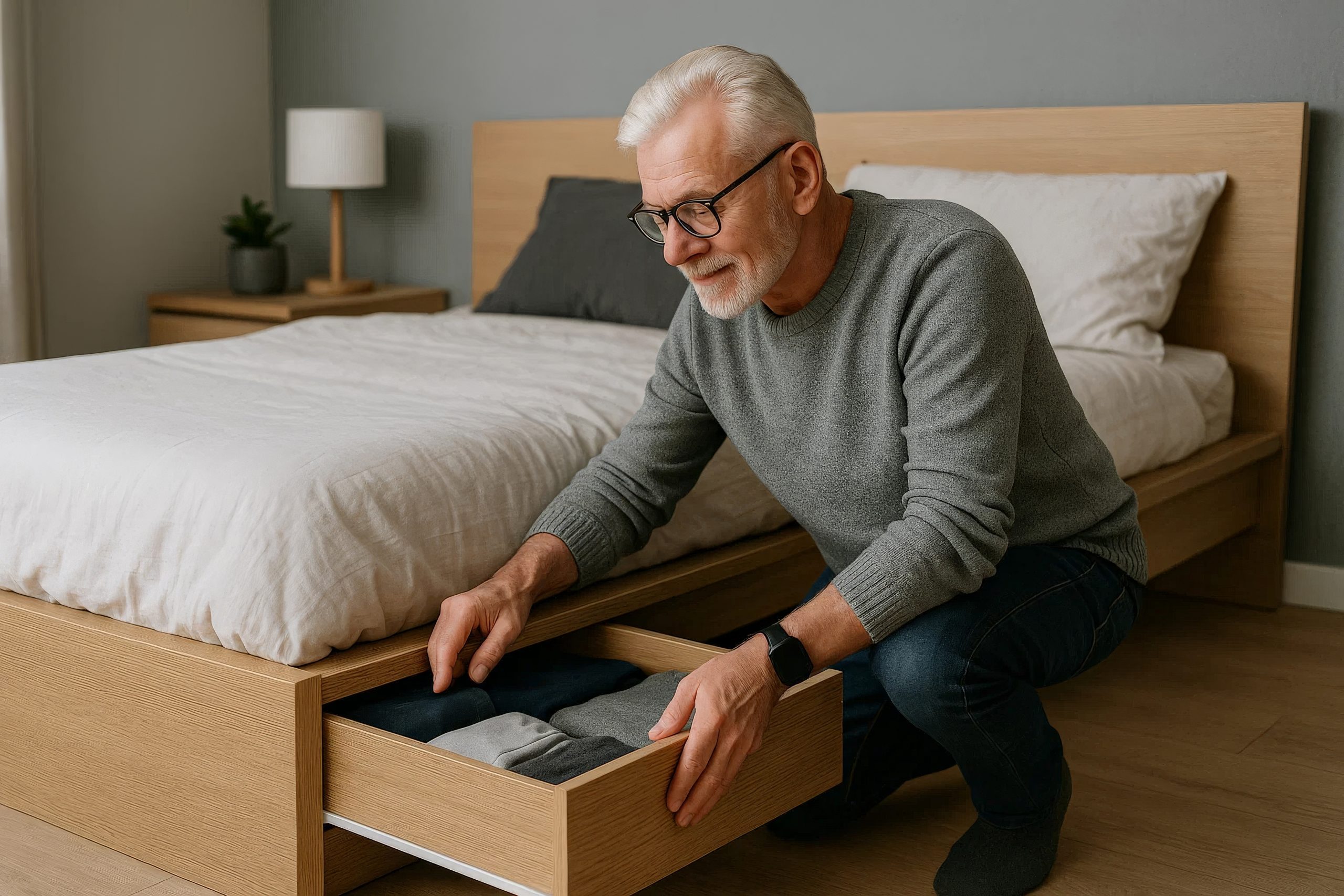
Many older adults today are choosing to remain in their own homes instead of moving into assisted living communities. Familiar surroundings, personalized attention, greater independence, and one-on-one support are some of the biggest reasons families are exploring in-home senior care options. For many Columbus seniors, staying at home provides emotional comfort while still allowing them to receive help with daily routines, mobility, companionship, and health-related needs.
Why Aging at Home Feels More Comfortable for Seniors
For many older adults, home represents stability, memories, and emotional security. After spending decades building routines and relationships in the same environment, the idea of relocating to an assisted living facility can feel overwhelming. Seniors often feel more relaxed when they can continue enjoying familiar spaces, neighborhood connections, and personal belongings that hold sentimental value. Families are increasingly turning to home care in Columbus because personalized support allows seniors to maintain their lifestyle without sacrificing safety. Remaining at home also preserves independence, which can positively affect confidence and emotional wellbeing. Instead of adjusting to a new facility schedule, seniors can continue following their own routines, including mealtimes, hobbies, sleeping patterns, and social activities. Another important factor is emotional attachment. Familiar surroundings may reduce stress, confusion, and feelings of isolation, especially for seniors experiencing age-related cognitive changes. Aging at home creates a sense of continuity that many families value when planning long-term care solutions.
The Emotional Impact of Leaving a Familiar Environment
Moving into assisted living isn’t always an easy transition. Many seniors experience anxiety, loneliness, or sadness after leaving the home they’ve lived in for years. Familiar neighborhoods, nearby friends, treasured belongings, and even daily habits can provide emotional reassurance that’s difficult to replace in a new setting. Studies on aging and mental health often highlight how sudden environmental changes can affect older adults emotionally. Seniors may have difficulty adapting to shared spaces, unfamiliar caregivers, or structured facility schedules. While assisted living communities can provide support, some seniors feel they lose a sense of personal identity after leaving their homes. Aging at home allows older adults to maintain stronger emotional connections to their surroundings. They can continue participating in community events, visiting favorite places, and staying connected with neighbors and family members. These familiar interactions often contribute to better emotional balance and increased quality of life. Families also tend to notice that seniors become more cooperative and comfortable when care is delivered in a familiar environment. Emotional stability plays a major role in healthy aging, which is one reason in-home care continues to grow in popularity across Columbus.
How Personalized Care Enhances Daily Life
One of the biggest differences between home care and assisted living is the level of individualized attention seniors receive. In many assisted living communities, caregivers support multiple residents at the same time. At home, care plans can be adjusted specifically around a senior’s personal needs, preferences, and routines.
Personalized support can include assistance with:
- Meal preparation
- Medication reminders
- Mobility support
- Bathing and grooming
- Transportation
- Companionship
- Memory support
This flexibility allows seniors to receive only the help they actually need while still remaining independent in other areas of life. Some seniors may only require help for a few hours each week, while others may benefit from more comprehensive support throughout the day. Customized care also gives families peace of mind because routines can evolve as health conditions change. Instead of moving between multiple care settings, seniors can often continue living comfortably at home with adjusted levels of assistance. Another major advantage is companionship. Consistent caregiver relationships help seniors feel emotionally supported, reducing feelings of isolation that can sometimes develop in larger care communities.
Safety Concerns Families Often Have About Assisted Living
Safety is one of the main reasons families begin researching senior care options. While assisted living facilities offer supervised environments, many families worry about fall risks, delayed response times, shared staffing, or limited one-on-one attention. Some seniors require more continuous supervision due to mobility challenges, chronic illness, or nighttime confusion. In these situations, families may feel more comfortable arranging 24-hour care in Columbus within the home environment. Around-the-clock care can reduce risks associated with nighttime wandering, missed medications, or emergency situations. Home care also allows families to make safety modifications directly within the living space. Simple changes such as grab bars, improved lighting, stair support, and fall-prevention adjustments can make daily activities safer without requiring relocation. Unlike shared care environments, home-based support focuses entirely on one individual’s routines and needs. This level of supervision may provide stronger reassurance for families who want closer involvement in a loved one’s care decisions. In many cases, seniors themselves feel safer at home because they know their surroundings well and can move confidently through familiar spaces.
Comparing Home Care and Assisted Living Costs
The cost of senior care is often one of the biggest deciding factors for families. While assisted living may seem like an all-inclusive option, expenses can increase depending on room type, level of care, medication support, and additional services.
| Care Type | Typical Features | Flexibility | Privacy Level |
| Home Care | Personalized in-home support | High | High |
| Assisted Living | Shared residential community | Moderate | Moderate |
| 24-Hour Home Care | Continuous one-on-one assistance | Very High | High |
Home care may offer greater flexibility because families can choose the number of care hours needed each week. Seniors who only require part-time support may avoid paying for unnecessary services included in assisted living packages. Another important consideration is long-term value. Remaining at home may help seniors maintain emotional stability and independence, which can contribute positively to overall wellbeing. Families also appreciate having more direct involvement in caregiving decisions instead of relying entirely on facility policies. Financial planning often depends on individual health needs, but many Columbus families now explore home care first before considering residential care communities.
Why Independence Matters More as People Age
Maintaining independence can strongly influence a senior’s emotional and physical health. Older adults often want to continue making decisions about their schedules, meals, activities, and routines for as long as possible. At home, seniors usually have greater control over their environment and daily habits. They can wake up when they choose, spend time outdoors, cook familiar meals, or enjoy hobbies without following a facility-wide schedule. These freedoms may seem small, but they contribute significantly to self-esteem and overall happiness. Loss of independence sometimes leads to frustration or withdrawal among older adults. When seniors feel they are losing control over their lives, emotional health can decline. Home care supports independence by providing assistance only where necessary while encouraging seniors to remain active in daily tasks. Families also notice their senior loved ones tend to stay more socially engaged when they remain connected to their communities. Visiting local parks, attending church, meeting neighbors, or participating in family events often becomes easier when seniors continue living at home.
The Role of Family Involvement in Senior Wellbeing
Family involvement plays a major role in healthy aging. Seniors often feel emotionally stronger when their loved ones remain actively engaged in their care routines and decision-making process. Home care environments naturally encourage more family participation. Relatives can visit freely, monitor care closely, and communicate directly with caregivers about changing needs. This level of involvement may become more difficult in assisted living settings where schedules, policies, or distance create limitations. Strong family connections may also increase emotional resilience among seniors. Regular conversations, shared meals, and familiar routines can reduce feelings of loneliness and isolation. Many older adults value simple daily interactions with family more than structured social programs offered in larger residential communities. Caregiver collaboration is another benefit. Families and professional caregivers can work together to build routines that reflect a senior’s personal preferences, cultural traditions, and health goals. This personalized approach often creates a stronger sense of comfort and trust.
Common Health Challenges Seniors Manage Better at Home
Many seniors live with chronic conditions that require ongoing support rather than full residential care. Arthritis, diabetes, mobility limitations, heart disease, and mild cognitive decline are often easier to manage in familiar environments with individualized assistance. Home settings may reduce stress levels, which can positively affect physical health. Seniors are also more likely to maintain routines related to medication schedules, hydration, sleep, and nutrition when they remain comfortable in their surroundings.
Some common challenges that may benefit from home-based support include:
- Limited mobility
- Fall recovery
- Post-surgical care
- Memory-related confusion
- Medication management
- Transportation limitations
Care plans can also adapt over time as health conditions change. Instead of transitioning between multiple care facilities, seniors can continue receiving support within the same environment they already know and trust.
What Columbus Families Look for in Senior Care Today
Families today are prioritizing flexibility, personalization, and emotional wellbeing when evaluating senior care options. Many are searching for solutions that allow their aging loved ones to remain independent while still receiving reliable support.
Factors Families Commonly Prioritize
| Priority | Why It Matters |
| Personalized care | Seniors receive support tailored to their needs |
| Emotional comfort | Familiar surroundings reduce stress |
| Independence | Seniors maintain daily routines |
| Family involvement | Loved ones stay connected to care |
| Flexible scheduling | Care adjusts as needs change |
More families are also recognizing that aging in place may contribute to increased emotional stability and stronger family relationships. Rather than focusing on medical support, modern senior care decisions often consider overall quality of life. Columbus families increasingly value care models that balance safety, dignity, independence, and companionship together instead of relying solely on institutional environments.
When Short-Term Relief Helps Family Caregivers
Caring for an aging loved one can be rewarding, but family caregivers also need time to rest, manage responsibilities, and maintain their own wellbeing. Without occasional breaks, caregiver burnout can become physically and emotionally exhausting over time. Many families explore respite care in Columbus for temporary support while primary caregivers attend appointments, travel, work, or simply recharge. Short-term assistance allows seniors to continue receiving high-quality care without disrupting familiar routines. Respite support can also help families gradually transition into long-term care planning when additional assistance becomes necessary. Instead of making sudden decisions during stressful situations, families gain time to evaluate what level of support works best. For many Columbus households, flexible caregiving solutions maintain balance while ensuring seniors continue receiving compassionate attention within the comfort of home.
Frequently Asked Questions
Why do seniors prefer home care over assisted living?
+
Many seniors prefer home care because it allows them to remain in familiar surroundings while maintaining independence. Personalized support and emotional comfort are also major factors influencing this decision.
Is home care more affordable than assisted living?+
Costs depend on the level of support required, but home care may provide more flexibility for families needing part-time or customized assistance. Families can often choose services based on individual needs rather than fixed facility pricing.
What services are included with home care?+
Home care commonly includes companionship, meal preparation, mobility support, medication reminders, transportation, personal care assistance, and help with daily activities depending on the care plan.
Can seniors receive overnight assistance at home?+
Yes, many families arrange overnight or around-the-clock support for seniors who require additional supervision, mobility assistance, or help managing health-related conditions safely.
How does home care support emotional wellbeing?+
Remaining at home helps seniors stay connected to familiar routines, neighbors, family members, and personal belongings. This sense of familiarity may reduce stress, loneliness, and emotional discomfort.