Preventing unnecessary emergency room visits among seniors requires a consistent focus on early intervention, daily safety practices, and personalized support at home. Many hospital visits occur due to preventable issues such as falls, medication mistakes, dehydration, or unmanaged chronic conditions. When families recognize early warning signs and build structured care routines, they significantly reduce health risks. A proactive approach that combines supervision, nutrition awareness, and routine health monitoring helps seniors remain safer in familiar surroundings. This approach not only reduces stress on families but also enhances long-term wellbeing and independence for older adults who want to age comfortably at home.
Why Seniors in Columbus Frequently Visit Emergency Rooms
Emergency room visits among older adults in Columbus often happen because small, manageable health issues gradually turn into urgent medical situations. Conditions such as dizziness, missed medications, untreated infections, and chronic disease flare-ups are among the most common triggers. In many cases, seniors delay reporting symptoms or families don’t notice early warning signs until the condition worsens. Limited mobility, dehydration, and age-related weakness also contribute to sudden emergencies. Without consistent monitoring and support, these issues can escalate quickly and require hospital care. A structured care approach at home can reduce these risks by ensuring timely attention, routine supervision, and better health management before problems become critical.
How Home Care Services Reduce Emergency Room Visits
A structured care approach plays a key role in minimizing avoidable hospital visits among older adults. When seniors receive consistent assistance at home, potential health risks are identified early, reducing the likelihood of sudden emergencies. Daily routines, medication reminders, and mobility support create a safer environment that promotes stability and confidence. In the middle of this care strategy, families often rely on trusted providers offering home care in Columbus to ensure seniors receive professional attention tailored to their specific needs. This type of support can reduce stress on family caregivers while enhancing the senior’s overall health management and safety outcomes.
Daily Monitoring and Early Detection of Health Issues
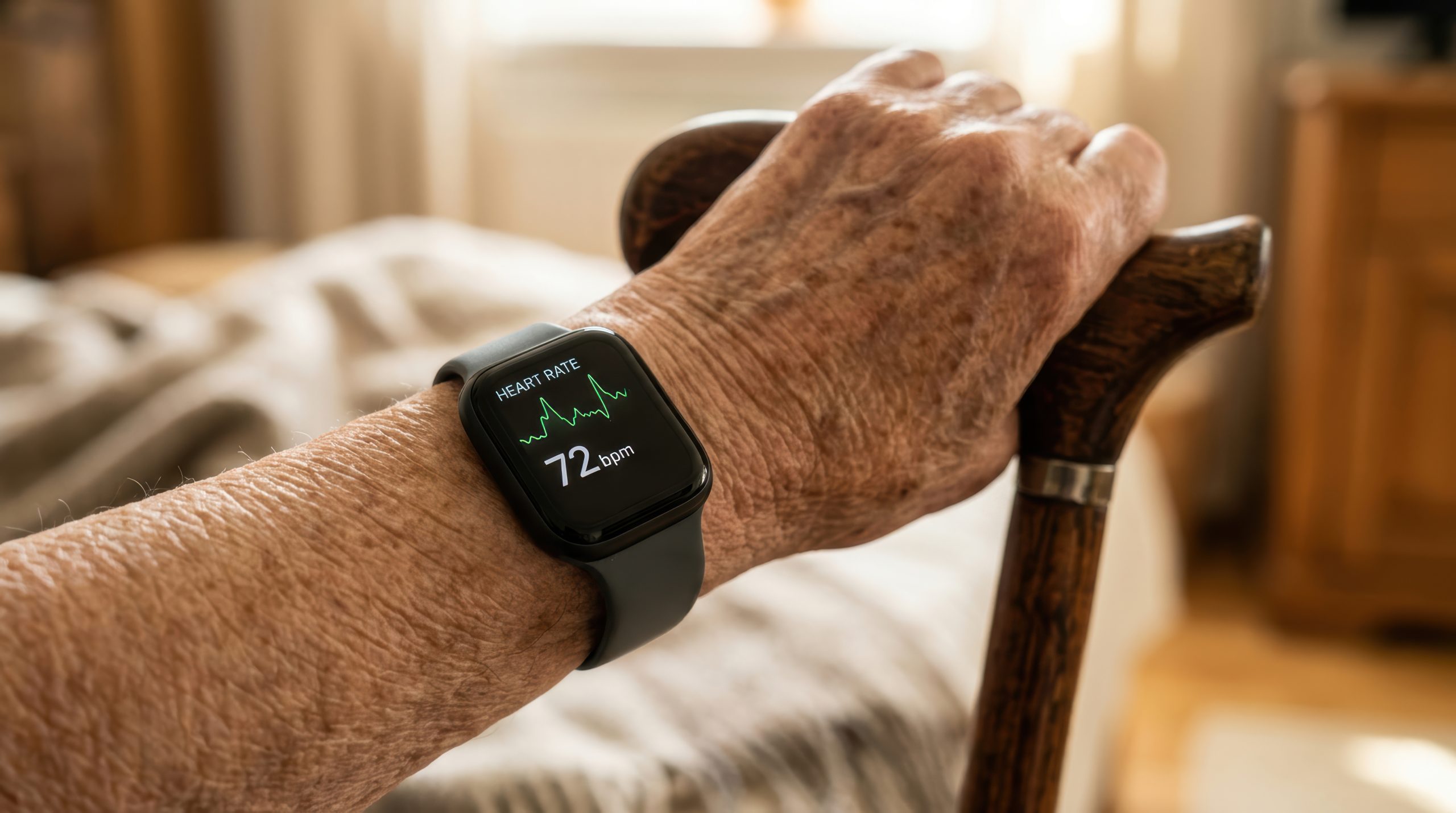
Consistent daily monitoring is one of the most effective ways to prevent medical emergencies in seniors. Subtle changes in appetite, mood, mobility, or energy levels often indicate underlying health issues that can escalate if ignored. Caregivers trained in observational care can detect these early warning signs and respond quickly, preventing complications. Regular temperature checks, blood pressure monitoring, and observation of physical behavior maintain stability. This proactive attention ensures health concerns are addressed before they become critical, reducing the likelihood of sudden emergency room visits and supporting long-term wellness at home.
Common Household Hazards that Increase Emergency Risks
Many emergency room visits occur due to hidden dangers within the home environment. Slippery floors, poor lighting, loose rugs, and inaccessible storage areas significantly increase fall risks for seniors. Even minor hazards can lead to serious injuries when mobility or balance is reduced. Families often overlook these risks until an accident occurs. Identifying and addressing environmental dangers early is essential in reducing preventable emergencies. Proper home modifications, along with routine supervision, create a safer living space that supports independence while minimizing physical risks.
Household Safety Risk Table
| Hazard | Possible Injury | Prevention Strategy | Risk Level |
| Loose rugs | Falls | Secure flooring | High |
| Poor lighting | Trips/falls | Install brighter lights | High |
| Cluttered walkways | Mobility issues | Regular cleaning | Medium |
| Bathroom slips | Fractures | Grab bars/nonslip mats | High |
Medication Management and Avoiding Preventable Complications
Medication errors are one of the leading causes of emergency hospital visits among seniors. Missed doses, incorrect timing, or drug interactions can quickly create serious health risks. A structured medication routine ensures consistency and safety. Caregivers can assist with organizing prescriptions, tracking schedules, and monitoring side effects to avoid complications. Proper oversight reduces confusion and enhances treatment effectiveness. With regular checks and reminders, seniors are more likely to follow prescribed plans accurately, which significantly lowers the risk of preventable medical emergencies and hospital admissions.
Nutrition and Hydration as Preventive Health Tools
Balanced nutrition and proper hydration are essential in preventing health deterioration among older adults. Dehydration can lead to confusion, dizziness, and even hospitalization if not addressed early. Similarly, poor nutrition weakens immunity and increases vulnerability to infections and fatigue. A consistent meal plan with nutrient-rich foods helps seniors maintain energy levels and supports chronic disease management. Caregivers ensure seniors eat regularly and stay hydrated throughout the day. This simple yet effective approach reduces emergency risks and enhances overall physical and cognitive health stability.
Supporting Memory Health Through Specialized Care
Cognitive decline can significantly increase the risk of emergency situations, especially when seniors forget medications, become disoriented, or have difficulty with daily routines. Specialized care helps seniors manage these challenges through structured support, supervision, and mental engagement activities. Families often turn to dementia care in Columbus to provide tailored assistance that increases safety and reduces confusion-related incidents. This type of care ensures seniors with memory-related conditions receive consistent guidance, lowering the chances of wandering, missed medications, or anxiety-driven emergencies.
Recognizing Early Warning Signs Before Emergencies Occur
Identifying early warning signs is one of the most effective ways to prevent emergency room visits among seniors. Small changes in physical or mental health often indicate underlying conditions that need attention. When caregivers and families stay alert to these symptoms, they can act quickly and avoid serious complications. Early detection helps seniors maintain stability and reduces unnecessary hospital admissions.
Common warning signs include:
- Sudden confusion or memory changes
- Loss of appetite or refusal to eat
- Frequent dizziness or imbalance
- Noticeable fatigue or weakness
- Changes in mood, behavior, or sleep patterns
- Difficulty managing daily tasks
- Unexplained pain or discomfort
These symptoms should never be ignored, especially when they appear suddenly or worsen over time. Prompt action, such as adjusting care routines or consulting healthcare professionals, can significantly reduce the risk of emergencies. Early intervention ensures seniors remain safer, more stable, and better supported in their daily lives at home.
Overnight Supervision for Safety and Fall Prevention
Many emergencies occur during nighttime hours when supervision is limited and visibility is low. Seniors may experience disorientation, bathroom falls, or sudden health changes during sleep hours. Overnight support can reduce these risks by ensuring assistance is available when needed most. Continuous monitoring provides reassurance and immediate response in case of emergencies. This structured care approach allows seniors to rest safely while reducing the burden on family members who may worry about nighttime incidents.
24-Hour Support and Continuous Care for Seniors
Continuous care plays an important role in maintaining stability for seniors who require ongoing assistance. Around-the-clock support ensures immediate response to emergencies, reduces isolation, and promotes consistent health monitoring. In many cases, families choose live-in care in Columbus to provide uninterrupted care within the comfort of home. This level of support helps seniors manage complex health needs while ensuring they remain safe, comfortable, and closely monitored throughout the day and night.
Building a Safer Future for Seniors in Columbus
Reducing emergency room visits among seniors requires a combination of awareness, preventive care, and structured daily support. When families focus on safety, nutrition, medication management, and early detection of health changes, they significantly enhance long-term outcomes. A supportive home environment helps seniors maintain independence while minimizing risks associated with aging. With the right care strategies in place, older adults can continue living safely and confidently in their own homes while avoiding unnecessary hospital visits and health complications.
Frequently Asked Questions
What are the main reasons seniors visit emergency rooms?
+
Most emergency visits occur due to falls, medication errors, dehydration, or worsening chronic illnesses. These issues often develop gradually but become serious without timely intervention. Proper home support can significantly reduce these risks.
How does home-based support reduce hospital admissions?+
Home-based care provides continuous monitoring, medication assistance, and safety supervision. This proactive approach helps caregivers detect early warning signs and prevents conditions from escalating into emergencies.
Can fall risks in seniors be reduced at home?+
Yes, fall risks can be reduced through home modifications, mobility support, and proper supervision. Removing hazards and improving lighting also play a major role in preventing injuries.
Why is medication management important for seniors?+
Proper medication management ensures seniors take the right dose at the right time. It prevents dangerous interactions and reduces the risk of complications that may lead to hospitalization.
What role does hydration play in senior health?+
Hydration supports brain function, energy levels, and organ health. Dehydration can cause confusion and weakness, increasing the likelihood of emergency situations if not managed properly.