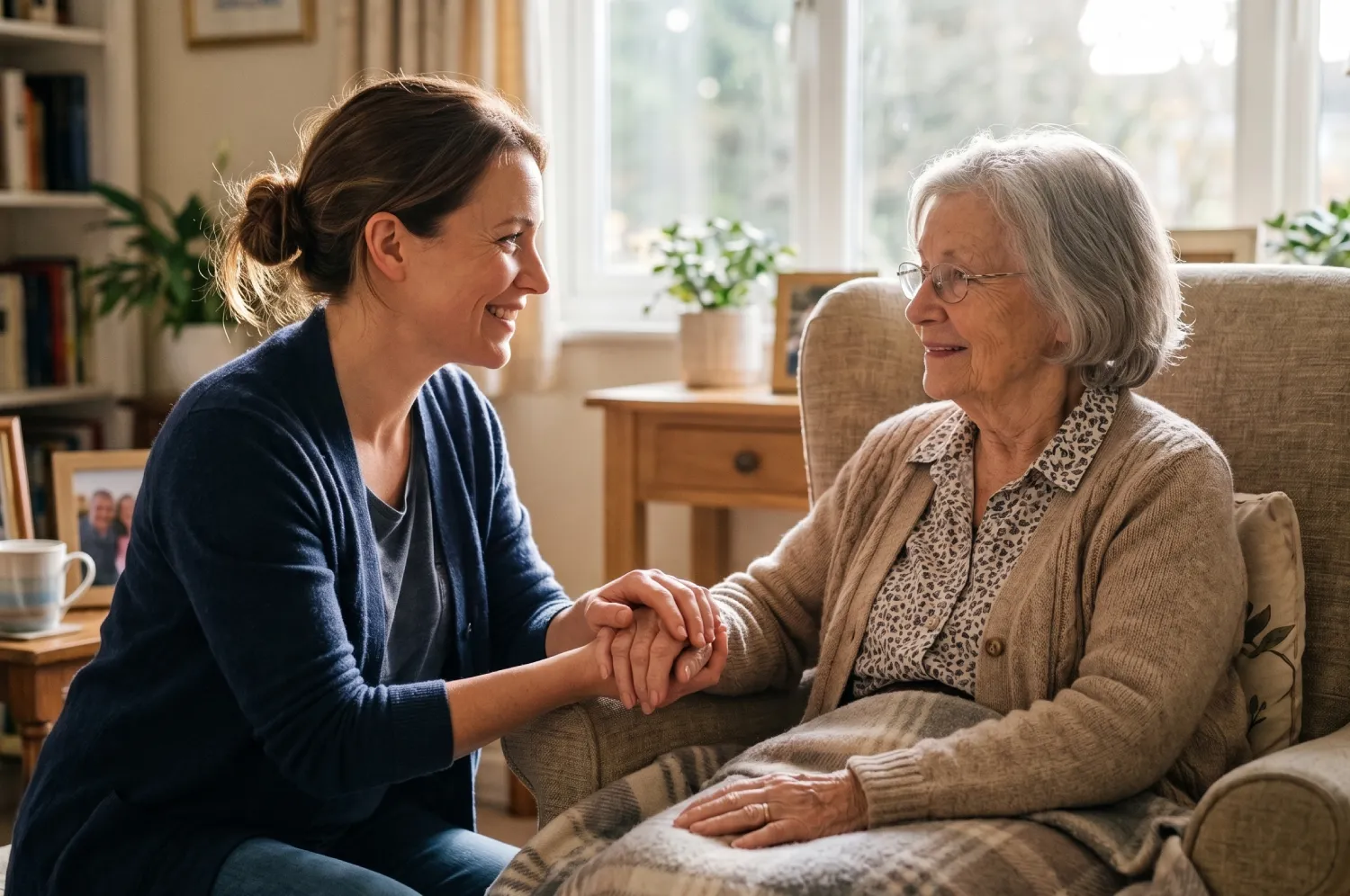
Parkinson’s disease is a progressive neurological condition that gradually affects movement, balance, and coordination in older adults, making everyday activities increasingly difficult. As symptoms progress, seniors may have difficulty with walking, dressing, eating, and maintaining independence, often requiring structured support and adaptive home environments. Families frequently need to adjust care routines, enhance safety measures, and provide ongoing supervision to ensure comfort, dignity, and quality of life for senior loved ones living with this condition.
How Parkinson’s Disease Affects Daily Life in Seniors
Parkinson’s disease gradually impacts a senior’s ability to perform routine tasks, making even simple activities feel complex and exhausting over time. Symptoms such as tremors, muscle rigidity, and slowed movement reduce independence and increase reliance on caregivers for basic needs like dressing, bathing, and walking. Cognitive changes may also appear in later stages, affecting memory and decision-making abilities. Emotional stress is common as seniors become aware of their declining abilities, which can lead to frustration or withdrawal from social interaction. Families often need to adapt daily schedules, home layouts, and support systems to maintain comfort and dignity while managing unpredictable symptom progression, and in many cases structured home care in Columbus helps families manage these challenges more effectively.
Why Mobility Challenges Increase Safety Risks at Home
Mobility decline is one of the most significant challenges in Parkinson’s care, as balance issues and muscle stiffness greatly increase the risk of falls. Seniors may have difficulty navigate stairs, uneven flooring, or even short distances within the home. These limitations require careful environmental adjustments such as grab bars, nonslip mats, and clear walking paths. In many cases, families explore structured support like professional 24-hour care in Columbus to ensure continuous supervision and immediate assistance, especially when mobility becomes severely restricted. Constant monitoring can significantly reduce emergency situations and help seniors feel more secure in their own homes.
Emotional and Cognitive Changes Families Often Notice
Beyond physical symptoms, Parkinson’s disease can also influence emotional wellbeing and cognitive function in seniors. Many individuals experience anxiety, depression, or mood fluctuations as the condition progresses, which can make communication and caregiving more challenging. Cognitive decline may include difficulty concentrating, slowed thinking, or memory lapses, which further complicates decision-making and daily organization. Families often find themselves providing emotional reassurance in addition to physical support. Understanding these psychological changes is essential because emotional health directly affects physical stability, motivation, and overall quality of life in seniors living with long-term neurological conditions.
The Growing Need for Overnight Monitoring and Assistance
As Parkinson’s disease advances, nighttime symptoms such as stiffness, tremors, or difficulty turning in bed can become more pronounced, disrupting sleep patterns for both seniors and caregivers. This creates a growing need for overnight supervision to ensure safety, comfort, and timely assistance during emergencies or mobility challenges. Families often experience fatigue when trying to manage around-the-clock care alone, especially when sleep deprivation becomes a regular issue. Continuous monitoring not only increases safety but also enhances the quality of rest for both seniors and their caregivers, reducing long-term emotional and physical strain within the household.
Medication Management Can Become Difficult Over Time
Managing Parkinson’s medications is critical, yet it becomes increasingly complex as the disease progresses due to strict timing schedules and varying symptom responses. Missed doses or incorrect timing can significantly impact mobility and symptom control. Seniors may also have difficulty swallowing pills or remembering schedules, requiring structured reminders and caregiver assistance.
| Parkinson’s Challenge | Possible Risk | Helpful Support Strategy |
| Missed medication doses | Worsening tremors | Alarm-based reminders |
| Swallowing difficulties | Malnutrition risk | Soft or modified diets |
| Timing confusion | Reduced medication effect | Caregiver supervision |
| Side effects sensitivity | Dizziness or fatigue | Regular medical review |
Proper management ensures stability and reduces symptom fluctuations that can interfere with daily functioning.
Nutrition and Swallowing Problems in Parkinson’s Patients
Parkinson’s disease often affects the muscles involved in chewing and swallowing, making mealtimes more challenging and sometimes risky. Seniors may experience choking hazards, reduced appetite, or difficulty maintaining proper nutrition due to these physical limitations. Dietary adjustments such as soft foods, nutrient-dense meals, and smaller portions can increase safety and intake. Hydration is equally important, as dehydration can worsen fatigue and confusion. Families must often collaborate with healthcare professionals to design meal plans that support energy levels while minimizing swallowing difficulties, ensuring their senior loved ones continue receiving essential nutrients for overall health stability.
Why Family Caregivers Often Experience Burnout
Caring for a loved one with Parkinson’s disease can place significant emotional and physical strain on family members, especially when care demands increase over time. Caregivers often juggle personal responsibilities alongside constant supervision, leading to exhaustion and emotional fatigue. Without regular breaks, burnout can affect decision-making, patience, and overall caregiving quality. In many cases, families consider structured relief options such as respite care in Columbus to temporarily step away and recharge while ensuring their loved one continues receiving proper care. This support helps seniors maintain balance and prevents long-term caregiver stress.
Communication Difficulties Seniors May Face
As Parkinson’s progresses, changes in speech patterns such as softer voice volume, slowed speech, or reduced facial expression can make communication more difficult. Seniors may have difficulty expressing their needs clearly, leading to frustration or misunderstanding. Caregivers often need to develop patience and alternative communication strategies, including simple questions, visual cues, or repetition. These communication barriers can also impact social interaction, leading to isolation if not addressed early. Encouraging regular conversation, maintaining eye contact, and allowing extra time for responses can significantly enhance engagement and emotional connection between seniors and their caregivers.
Creating a Safer and More Supportive Home Environment
A safe home environment plays a crucial role in reducing risks associated with Parkinson’s disease. Simple modifications such as removing clutter, improving lighting, and installing mobility aids can greatly enhance safety and independence. Bathrooms and stairways require special attention due to high fall risk areas. Supportive home adjustments also help seniors maintain confidence while moving around their living space. In addition, structured routines and predictable environments reduce confusion and anxiety. A well-organized home setup not only protects physical health but also supports emotional stability and daily comfort for seniors managing progressive neurological challenges.
Community Support and Long-Term Care Planning in Columbus
Long-term care planning is essential for families managing Parkinson’s disease, as the condition requires evolving levels of support over time. Community resources in Columbus can help families understand care options, financial planning, and medical support systems. Early planning allows smoother transitions as care needs increase, reducing stress during critical stages of progression. Families benefit from exploring professional care networks, support groups, and educational resources that provide guidance on managing symptoms effectively. Proactive planning ensures seniors maintain dignity and quality of life while receiving appropriate care at every stage of their condition.
Parkinson’s Care and Long-Term Support in Seniors
Parkinson’s disease presents ongoing challenges that affect mobility, emotional health, communication, and daily living for seniors and their families. With proper planning, supportive care systems, and adaptive environments, many of these challenges can be managed more effectively. Understanding the progression of symptoms and preparing for changing care needs helps families maintain stability and reduce stress. Whether through home adjustments, caregiver support, or structured assistance, the goal remains the same: ensuring safety, dignity, and quality of life for seniors living with Parkinson’s disease.
Frequently Asked Questions
What are the early signs of Parkinson’s disease in seniors?
+
Early signs often include tremors, slow movement, and stiffness in muscles. Some seniors may also notice changes in handwriting or balance issues. These symptoms usually develop gradually and may be mild at first.
How does Parkinson’s disease affect daily life?+
It can make basic tasks like walking, eating, and dressing more difficult. Over time, mobility and coordination decline, requiring increased caregiver support for safety and independence.
Can Parkinson’s patients live at home safely?+
Yes, many seniors live at home with proper support systems in place. Safety modifications, caregiver assistance, and regular monitoring play a key role in maintaining a safe environment.
What kind of care do Parkinson’s patients need?+
Care needs vary but often include help with mobility, medication management, meal preparation, and emotional support. As the disease progresses, supervision needs may increase significantly.
How can caregivers prevent burnout when caring for Parkinson’s patients?+
Caregivers should take regular breaks, seek support, and consider respite services when needed. Maintaining balance between caregiving and personal wellbeing is essential for long-term sustainability.