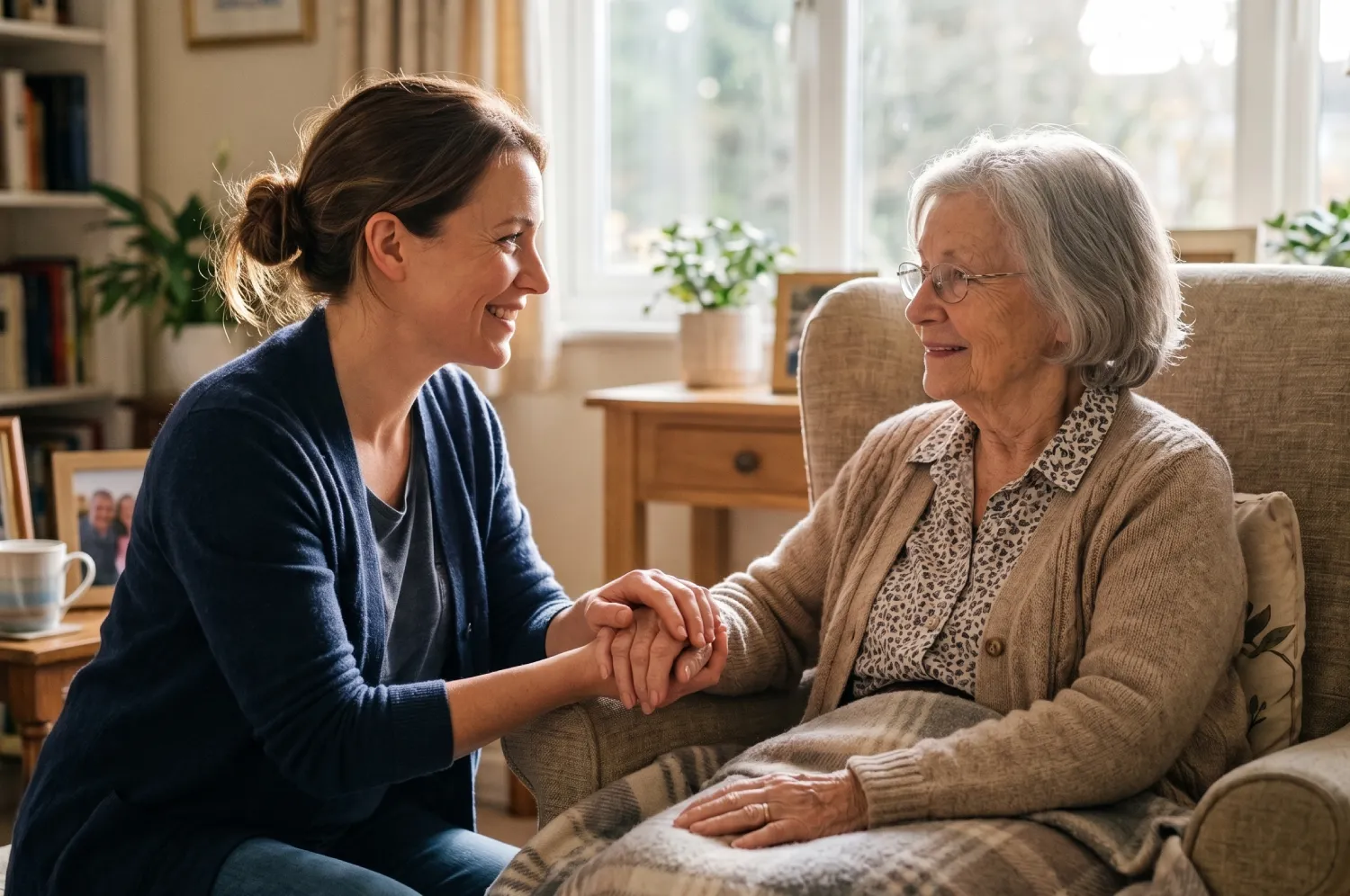
Independence turns into vulnerability in the elderly when physical or cognitive decline goes unnoticed, transforming everyday routines into significant health or safety risks. While self-reliance is vital for maintaining dignity, a fierce desire to live unassisted can often mask the urgent need for support. Caregivers and family members must stay vigilant to recognize this subtle shift from safe independence to dangerous isolation.
What Are the Early Warning Signs of Vulnerability?
The earliest indicators often manifest in subtle changes to a senior’s daily habits, personal hygiene, and home environment. Family members should look out for:
- Unexplained weight loss or spoiled food left in the refrigerator
- A noticeable decline in grooming or personal cleanliness
- Stacks of unpaid bills or uncharacteristic financial confusion
- Unexplained bruising or new dents and scratches on your loved one’s vehicle
How Does Cognitive Decline Impact Safe Independent Living?
Cognitive decline significantly impairs the ability to process information, remember crucial tasks, and make safe decisions in real-time. This impairment can lead to forgotten medications, wandering, or leaving appliances on, which immediately jeopardizes a person’s physical safety. As memory and judgment fade, a previously safe home environment quickly becomes a landscape of hidden hazards.
Why Do Seniors Hide Their Challenges from Loved Ones?
Many seniors conceal their difficulties primarily out of a deep-seated fear of losing their autonomy and being forced into care facilities. They often associate needing help with becoming a burden to their families or losing their fundamental freedom. Additionally, pride and a lifetime of self-sufficiency make it psychologically difficult to admit they can no longer manage on their own.
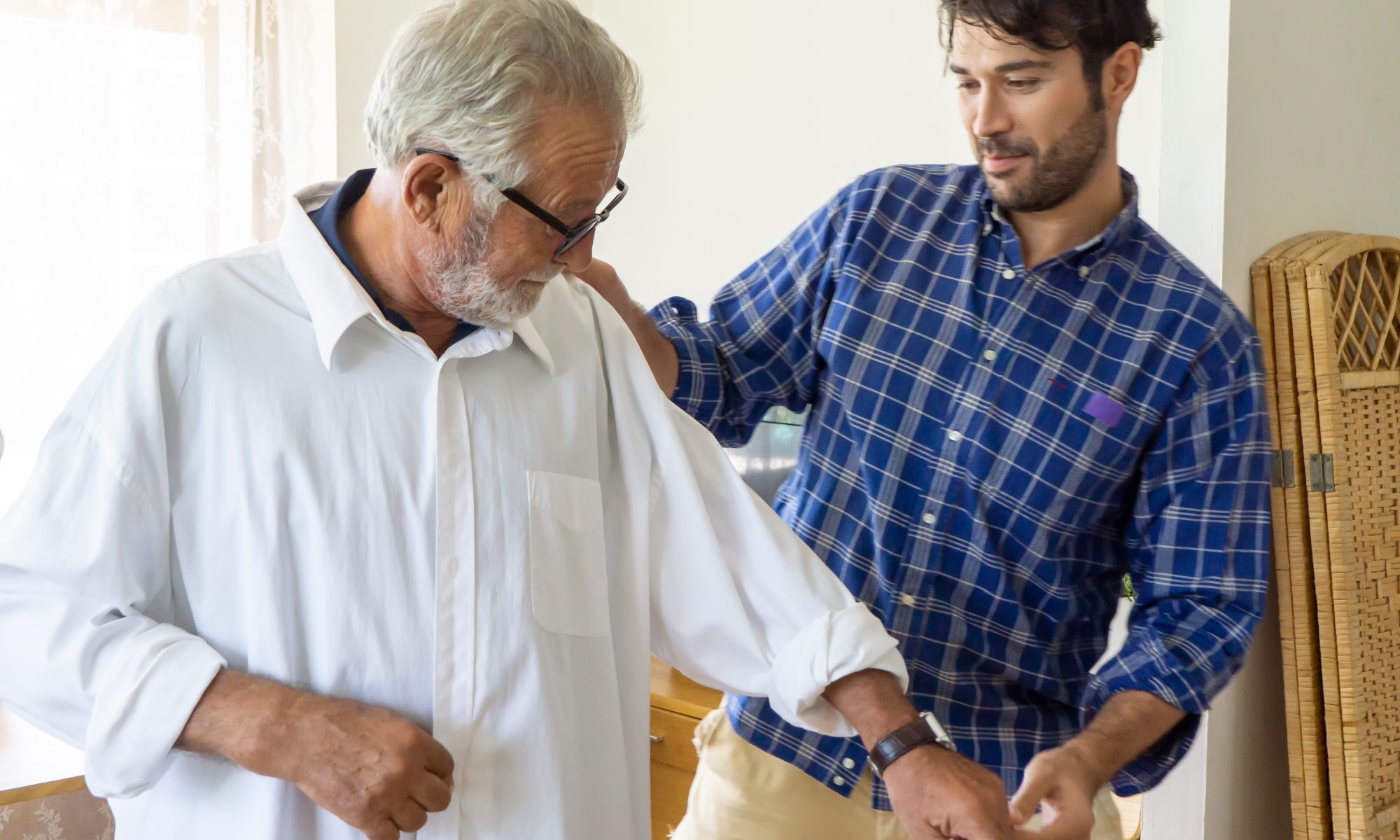
Many seniors prefer aging in place over moving to assisted living facilities. If your senior loved one needs assistance to remain safe and comfortable while living at home, reach out to Assisting Hands Home Care, a leading Columbus home care service agency. Our dedicated in-home caregivers can assist with meal prep, bathing and grooming, exercise, medication reminders, and many other important tasks.
What Steps Can Families Take to Introduce Necessary Assistance?
Families should approach the transition with empathy, focusing on collaborative solutions rather than dictating sudden changes. Effective strategies include:
- Initiating open, nonjudgmental conversations about your safety goals
- Introducing help gradually, such as hiring a grocery delivery service before suggesting a home caregiver
- Involving your loved one in the decision-making process so he or she retains a sense of control
- Consulting a geriatric care manager to provide a professional neutral assessment
Aging in place can present a few unique challenges for older adults. Some only require part-time assistance with exercise or meal preparation, while others are living with serious illnesses. If your elderly loved one needs around-the-clock 24-hour home care, turn to Assisting Hands Home Care Columbus. Our caregivers encourage seniors to focus on eating nutritious foods, exercising on a regular basis, maintaining strong social ties, and other lifestyle factors known to increase longevity.
Living independently is important for seniors who want to maintain a high quality of life. For some, this simply means receiving help with tasks that have become more challenging to manage over time. Even when families have the best intentions, they may not have the time to provide the care their elderly loved ones need and deserve. If your loved one needs help to age in place as independently as possible, reach out to Assisting Hands Home Care, a trusted provider of respite, 24-hour, and overnight home care Columbus seniors can depend on. Call one of our friendly Care Managers today to schedule a free consultation.
Frequently Asked Questions
How can you tell if an elderly person is no longer safe living alone?
+
You can usually tell it’s no longer safe when your loved one experiences frequent falls, forgets to take life-saving medications, or shows signs of severe confusion. A doctor or social worker can also provide a formal safety evaluation to give you a definitive answer.
What’s the difference between normal aging and dangerous decline?
+
Normal aging involves minor memory lapses and gradual physical slowing that don’t disrupt daily life. Dangerous decline includes major cognitive gaps and the inability to perform basic necessary tasks like eating, bathing, or navigating the house safely.
How do you talk to an aging parent about accepting home care?
+
Frame the conversation around the idea that accepting a little help actually prolongs the ability to stay at home. Keep the tone respectful and emphasize that your primary concern is your parent’s long-term comfort.
Can technology keep independent seniors safe?
+
Yes, tools like medical alert systems, automatic medication dispensers, and smart home sensors can monitor safety without being overly intrusive. These devices provide peace of mind for families while allowing seniors to maintain their personal space.