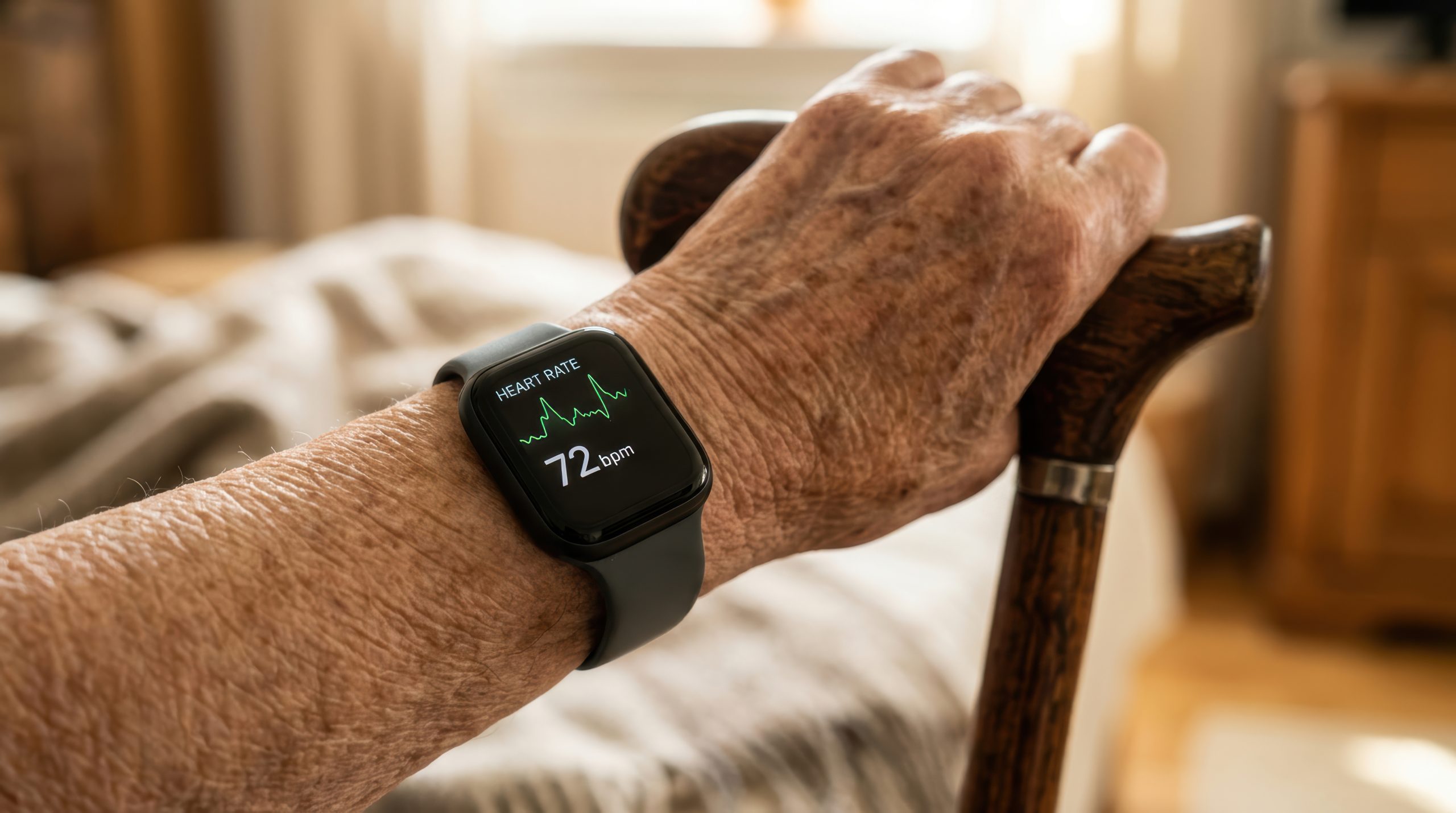
In late-stage dementia, you should expect significant physical changes such as a severe loss of mobility, difficulty swallowing, increased frailty, and altered sleep patterns. These shifts happen gradually as the brain’s ability to control the body’s physical functions permanently declines. Understanding what happens during this phase helps families prepare for the daily realities of supporting their senior loved ones.
How Does Mobility Change during Late-Stage Dementia?
People in the advanced stages of dementia typically experience a severe decrease in their ability to move independently. As the brain loses connection with the muscles, physical activity becomes highly restricted. You may notice:
- Difficulty walking or standing without physical support
- An eventual reliance on a wheelchair or becoming entirely bedbound
- Stiffening of muscles and joints, making basic movements challenging
A trained caregiver with experience in caring for seniors with mobility limitations due to dementia can be a fantastic resource for family members, especially during the nighttime hours. At Assisting Hands Home Care, our Columbus overnight home care services address a full range of needs, including personal care, mobility assistance, toileting, and repositioning. Caregivers also provide fall prevention monitoring, medical equipment support, and emotional reassurance for clients who experience nighttime anxiety or disorientation. Services are available on an occasional or ongoing basis and can be coordinated with flexible hourly daytime care for continuous around-the-clock support.
Will There Be Changes in Eating and Swallowing?
Yes, eating and swallowing become progressively more difficult as the condition advances. The physical coordination required to process food deteriorates significantly. Common physical changes include:
- Forgetting how to chew or holding food in the mouth for long periods
- Choking or coughing during meals due to a decreasing swallowing reflex
- Significant weight loss caused by a decreased appetite and reduced caloric intake
What Happens to Bladder and Bowel Control?
Incontinence is a very common physical change during this advanced phase. The brain eventually loses the ability to send and receive signals regarding basic bodily functions, leading to a complete loss of bladder and bowel control. Caregivers usually need to implement protective garments and establish a regular changing routine to maintain hygiene and comfort.
Seniors living with serious health conditions often need extensive assistance in and outside the home. Assisting Hands Home Care is a trusted provider of Columbus homecare services. Our caregivers are expertly trained to assist seniors with bathing, grooming, light housekeeping, and various other daily tasks, and we also offer specialized Alzheimer’s, dementia, stroke, and Parkinson’s care.
How Do Sleep Patterns Shift in Advanced Dementia?
Sleep patterns often become highly erratic and fragmented in the final stages of the disease. Individuals might sleep for the majority of the day and stay awake during the night. The body’s internal clock completely deteriorates, making it impossible for the person to distinguish between day and night, which leads to increased physical weakness and lethargy.
Even when families have the best intentions, caring for a senior loved one with dementia can be challenging. Fortunately, Assisting Hands Home Care is here to help. We are a leading provider of dementia care Columbus families can trust. You can take advantage of our flexible and customizable care plans, and our caregivers always stay up to date on the latest developments in senior care. For more information about our flexible, customizable home care plans, call one of our compassionate Care Managers today.
Frequently Asked Questions
Why do people with late-stage dementia lose weight so quickly?
+
Weight loss happens because the person often forgets how to eat, loses his or her appetite, or physically has difficulty with the act of swallowing. The body also changes how it metabolizes food as the disease progresses, accelerating overall physical decline.
Can late-stage dementia cause physical seizures?
+
Yes, some individuals may develop physical seizures in the later stages of the disease. This occurs because the extensive damage to the brain eventually disrupts normal electrical activity.
Is it common for the person to become physically weaker? +
Severe physical frailty is a hallmark of late-stage dementia, making basic tasks like sitting up completely exhausting. This weakness also makes it much harder for the body’s immune system to naturally fight off common ailments.
How does the physical ability to communicate change?
+
The physical ability to form words diminishes, often leaving the person able to speak only a few basic sounds or phrases. Seniors with dementia eventually rely entirely on physical nonverbal cues like facial expressions and body language to communicate their needs.